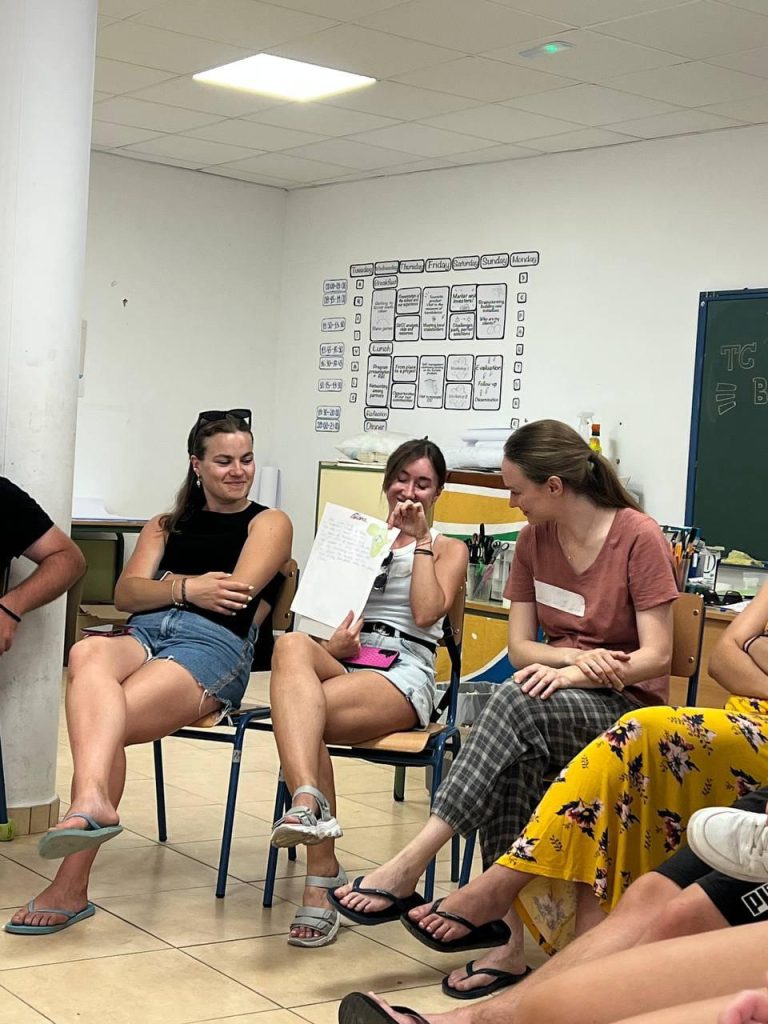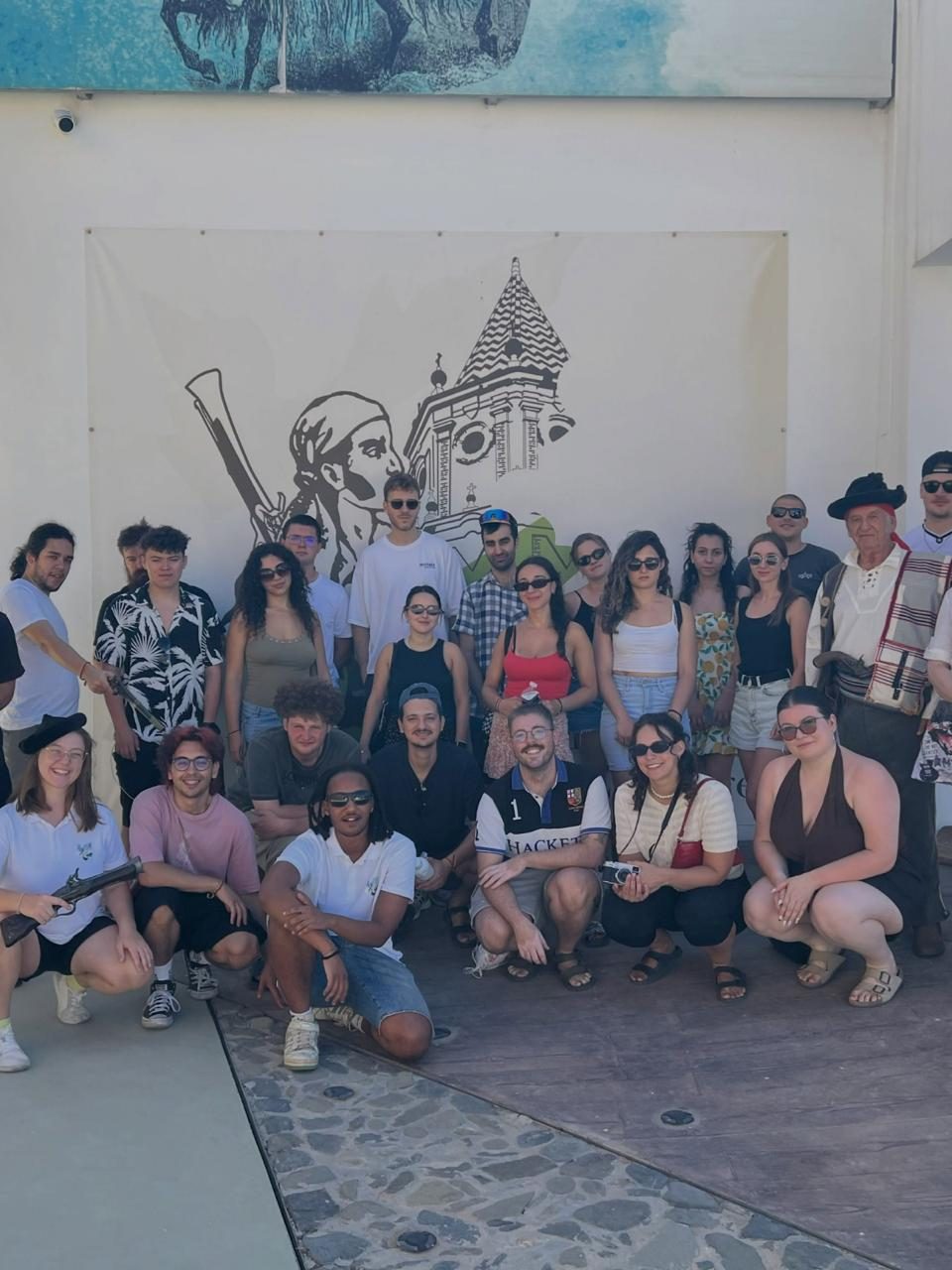
In the summer, two of our youth workers had the opportunity to participate in the Rural Boosters training course, which was funded by the European Union under the Erasmus+ program
The coordinating organization is the “Almenaras” Association for Youth and Cultural Development.
Partner organizations from which participants came: Cecropia Hub (Greece), Kremenchuk “European Club” (Ukraine), Logos Polska (Poland), “The Change Is in You” Association (Bulgaria), Alfa Albona (Croatia), the MediterrArt Association (Italy), the Inspira Association (Portugal), the Kazun Association (Romania), EDUFONS—Center for Continuing Education (Serbia), and the Musninkai Rural Community (Lithuania).
The youth workers received a lot of impressions, valuable experience and are ready to share it!
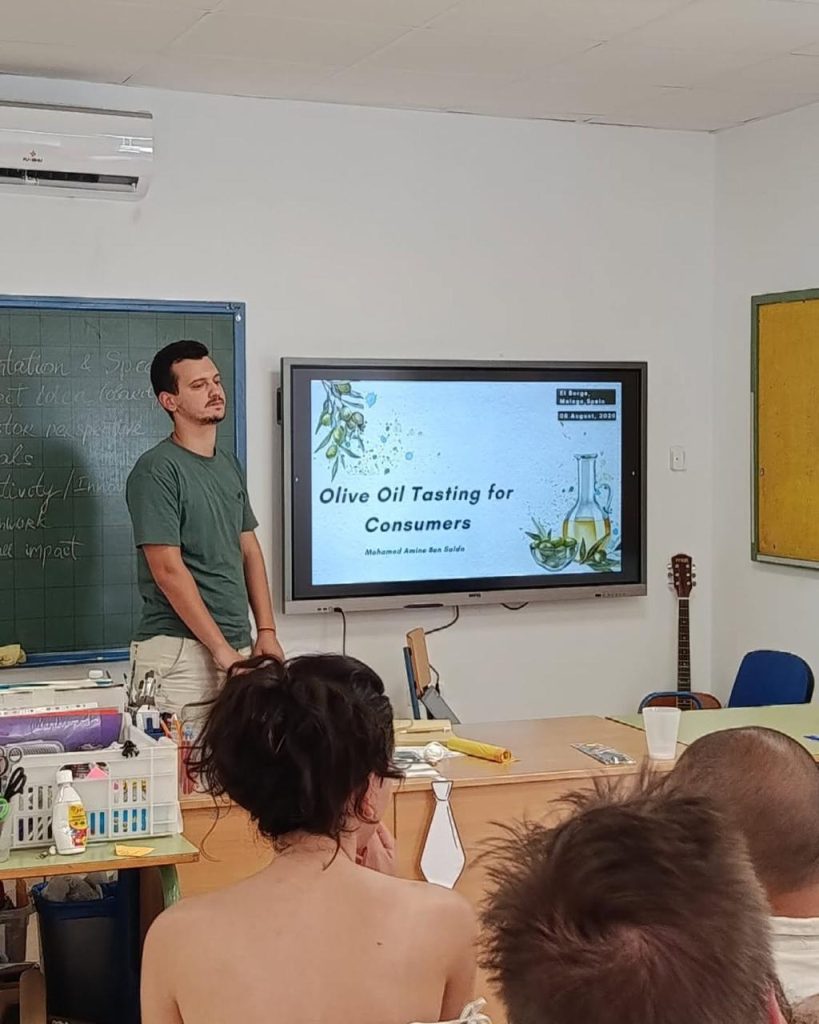
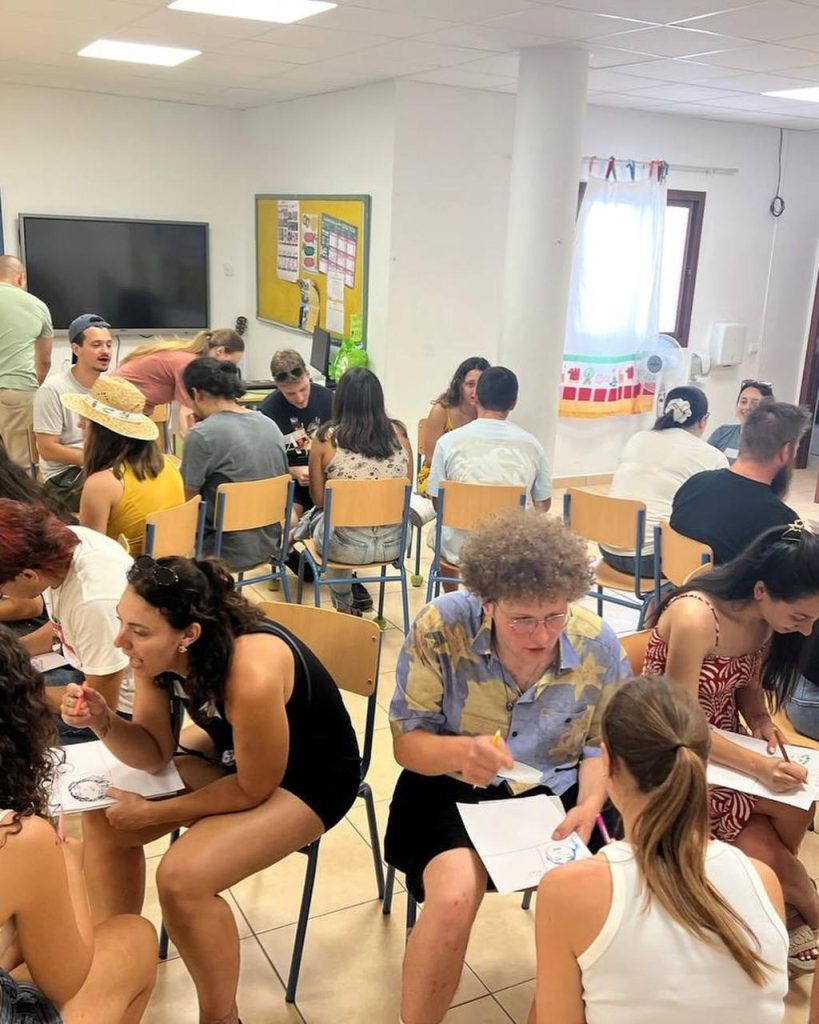
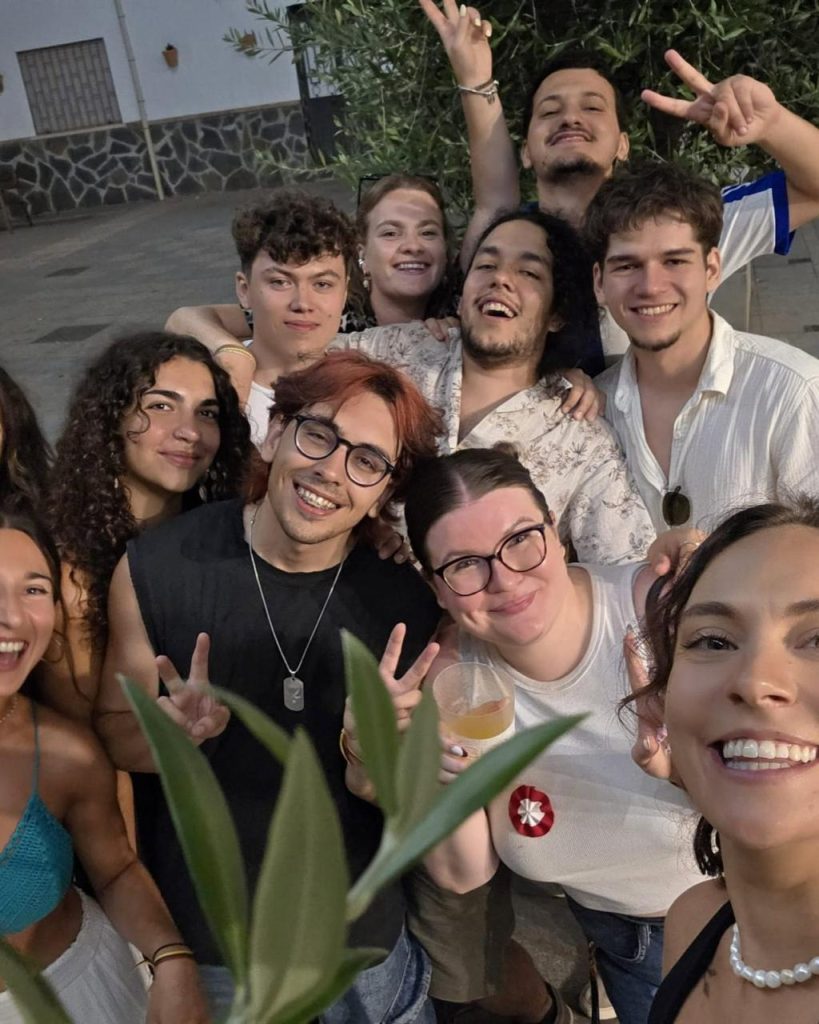
Yuliia Popova
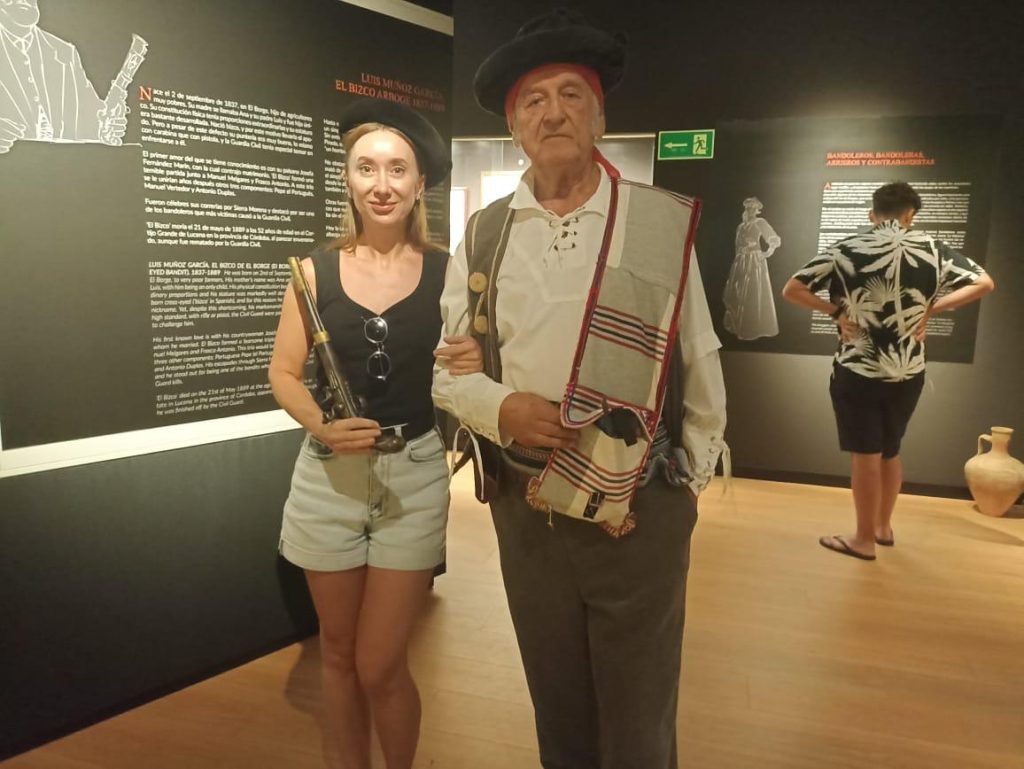
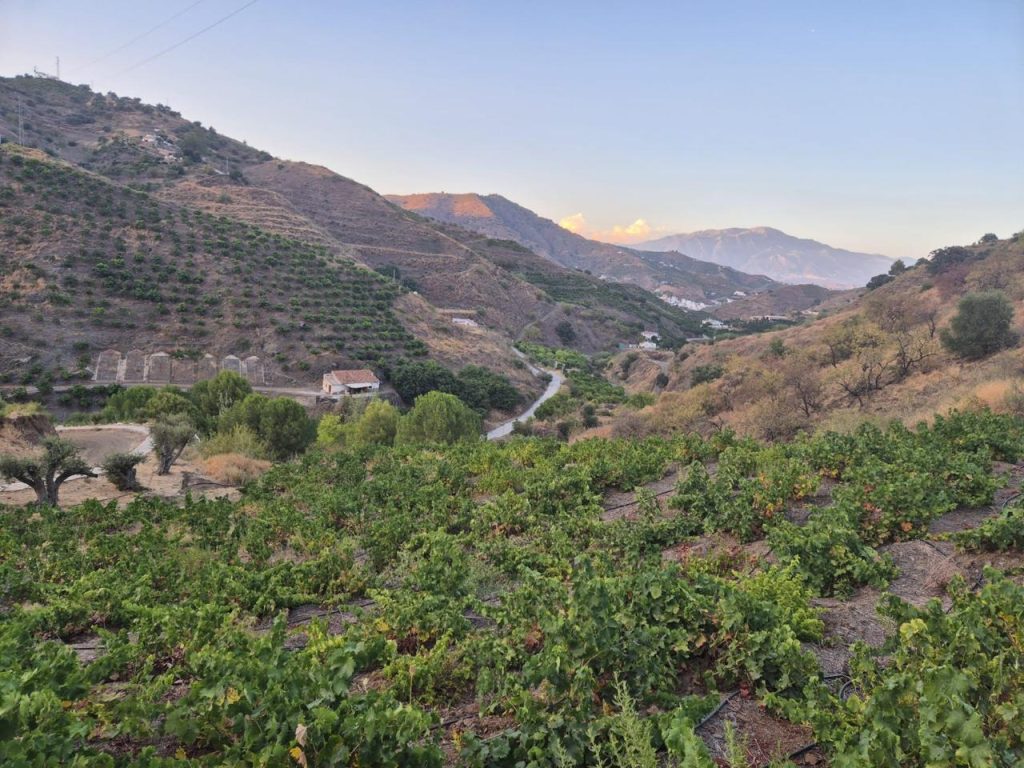
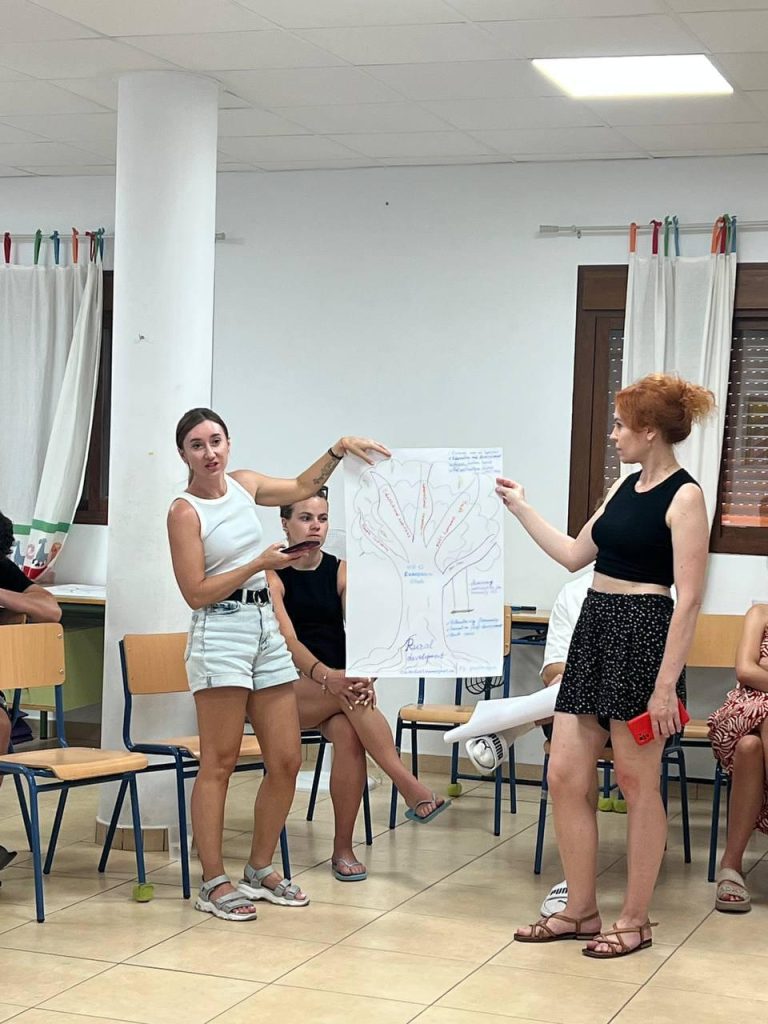
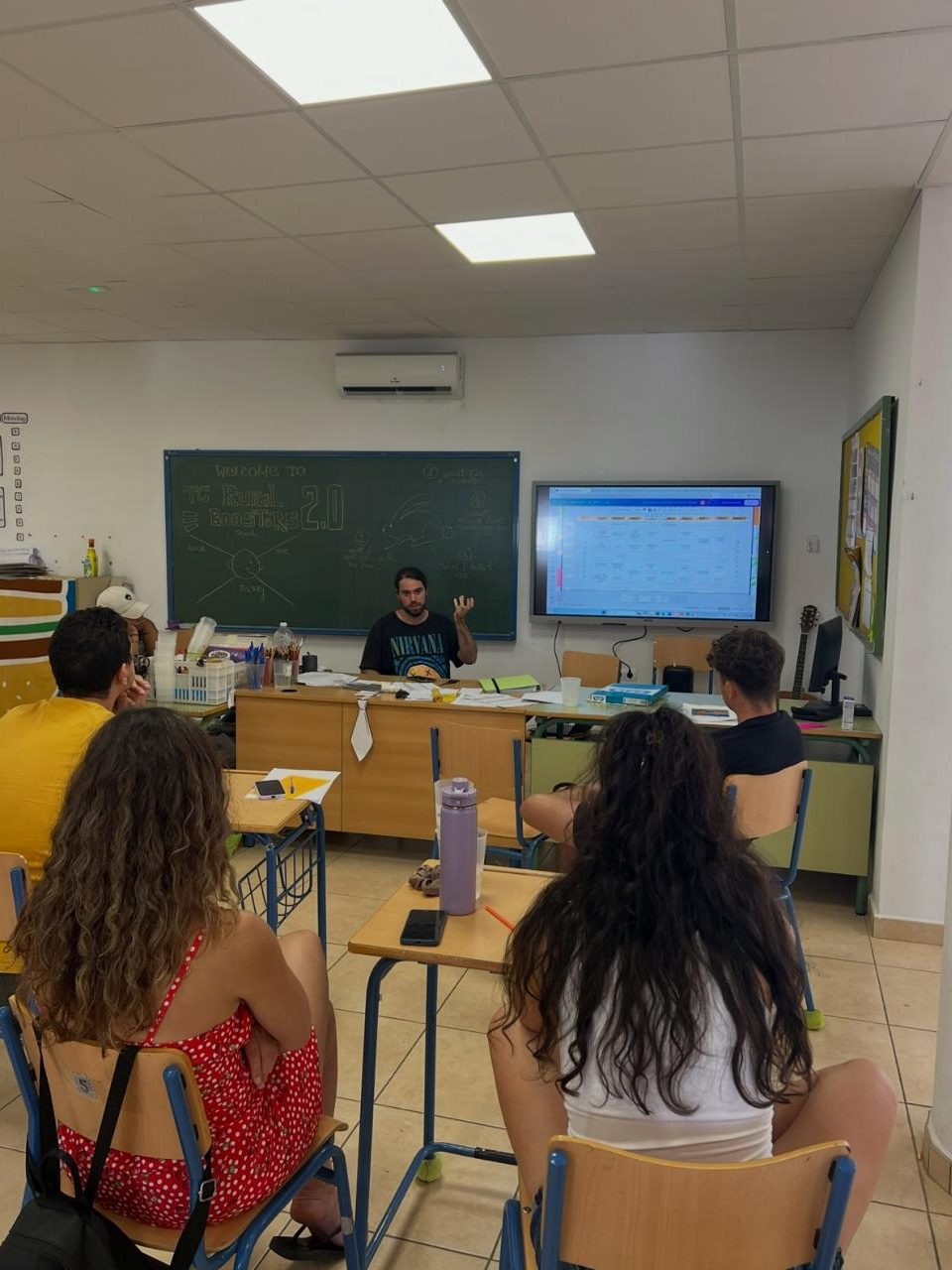
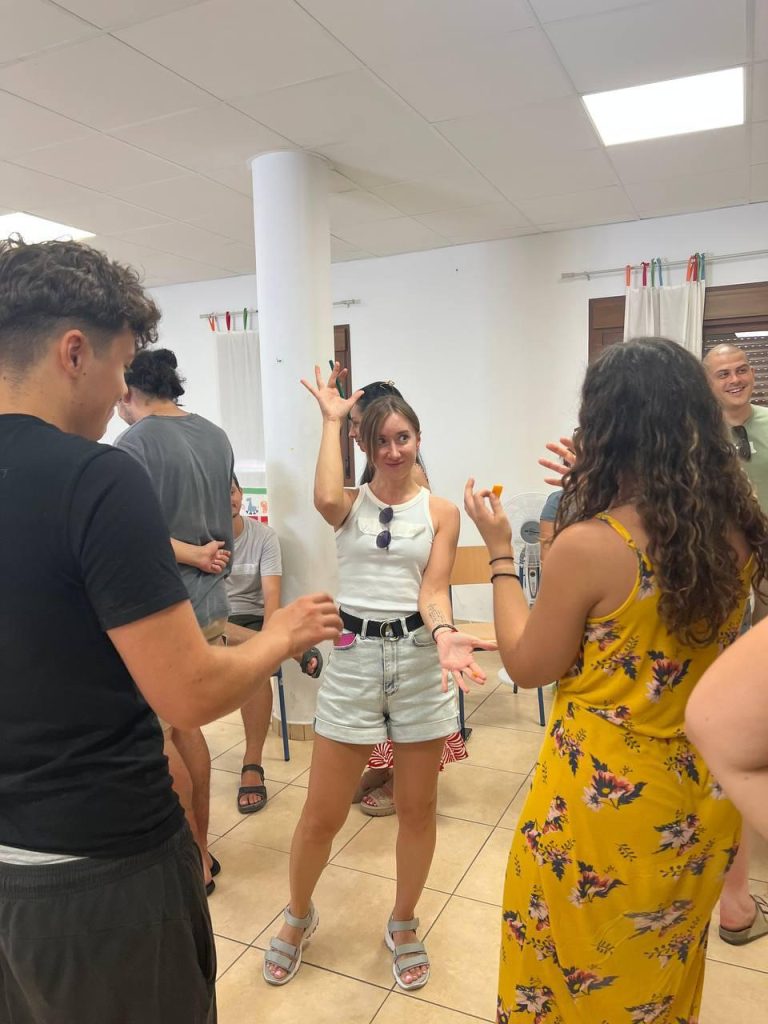
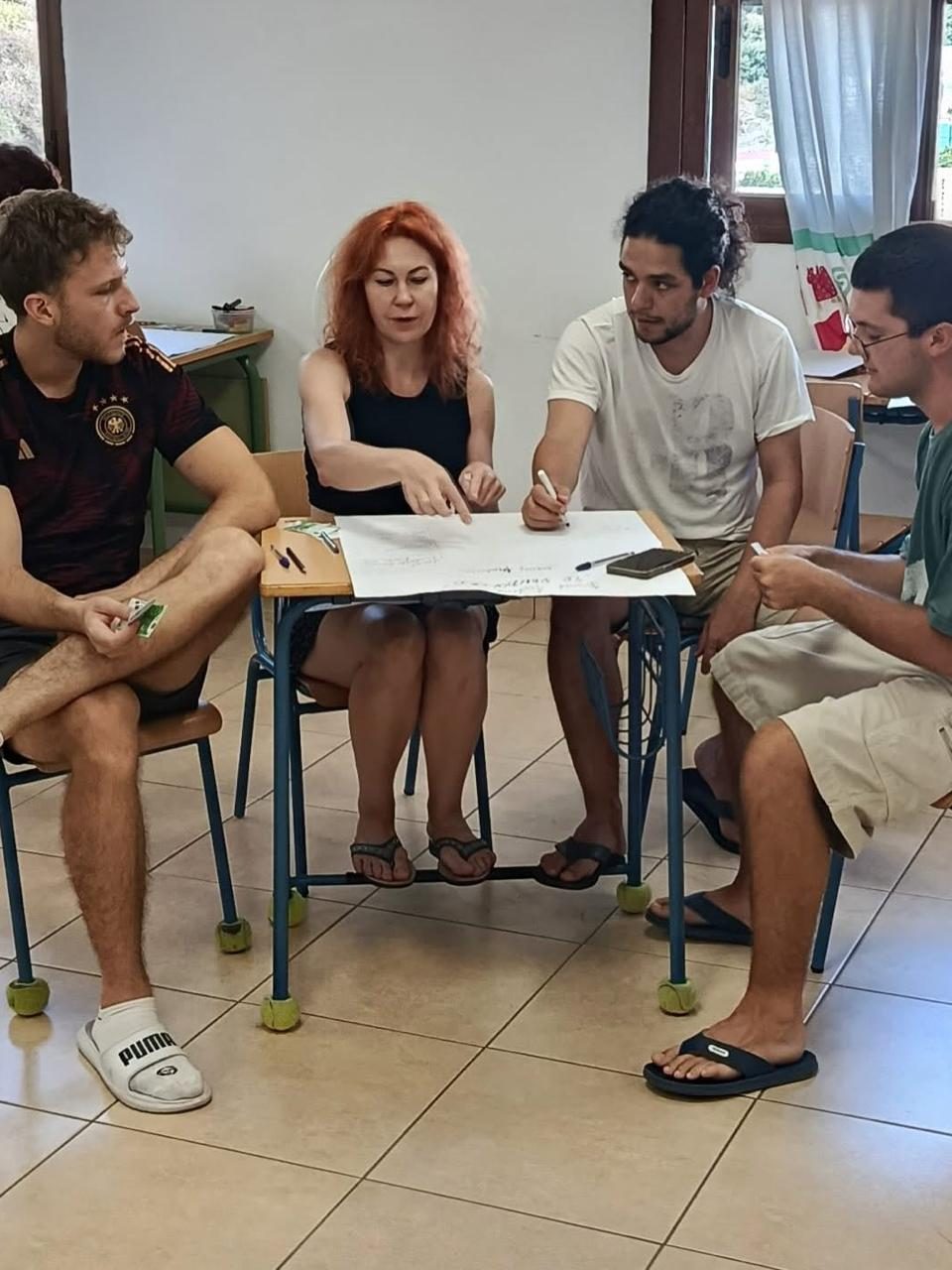
For me, participating in this program was an opportunity not only to gain new knowledge but also to look at youth work and rural development from a different perspective. We learned how to present projects, manage risks, seek support from local authorities, develop tourism ideas, work with European funds, and evaluate the results of our own work. The practical format was especially valuable—lots of teamwork, role-playing, brainstorming, and honest feedback, which helps identify the weaknesses in our own ideas. But perhaps the greatest value of such programs lies in the people: 11 countries, diverse experiences, different perspectives, yet very similar challenges in our communities. We learned about Spain’s local traditions, history, culture, and nature, and that, too, became an important part of the learning experience.
Was it useful? Absolutely! I’m coming back with several ideas that I want to try to implement in my work. And if you have the opportunity to participate in a similar international training project—it’s definitely worth going: for the knowledge, experience, new contacts, and those very moments that you’ll remember for a long time to come.
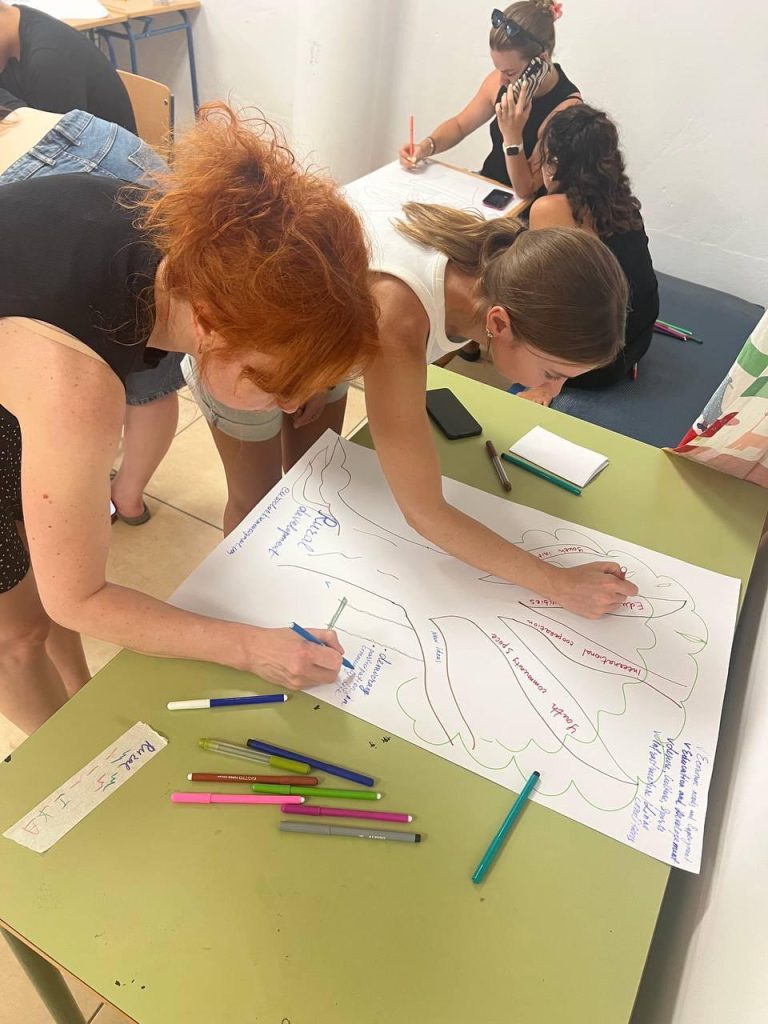
Liliia Kramarenko
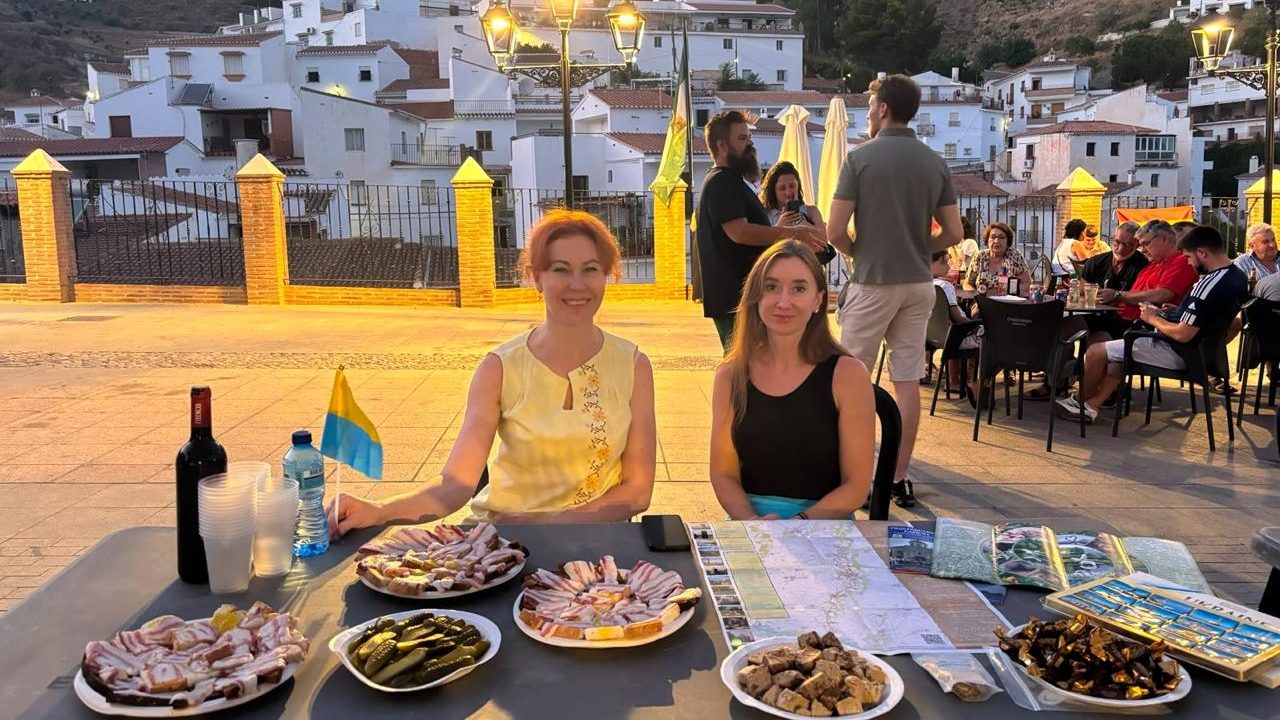
Participating in Rural Boosters was a week of intensive learning, meeting new people, and getting plenty of hands-on experience. We didn’t just listen to talks about rural development—we worked on our own ideas, learned how to present them, analyze risks, and seek out partners and funding opportunities. Exchanging experiences with participants from 11 countries was very helpful, as many of the challenges in our communities are similar, but the approaches to solving them differ. I especially enjoyed getting to know Spain’s local culture, history, and traditions—from museums and tourist routes to an intercultural evening. What I’m taking away most is not just new knowledge, but also concrete ideas, contacts, and a desire to try out some of what we’ve developed in my own community. Projects like this provide an opportunity to step outside one’s usual professional environment, take a broader view of one’s work, and discover new possibilities. So, if you have the chance to participate in an international training project, you should definitely take advantage of it. Thank you to the organizers for providing such wonderful development opportunities for young people!