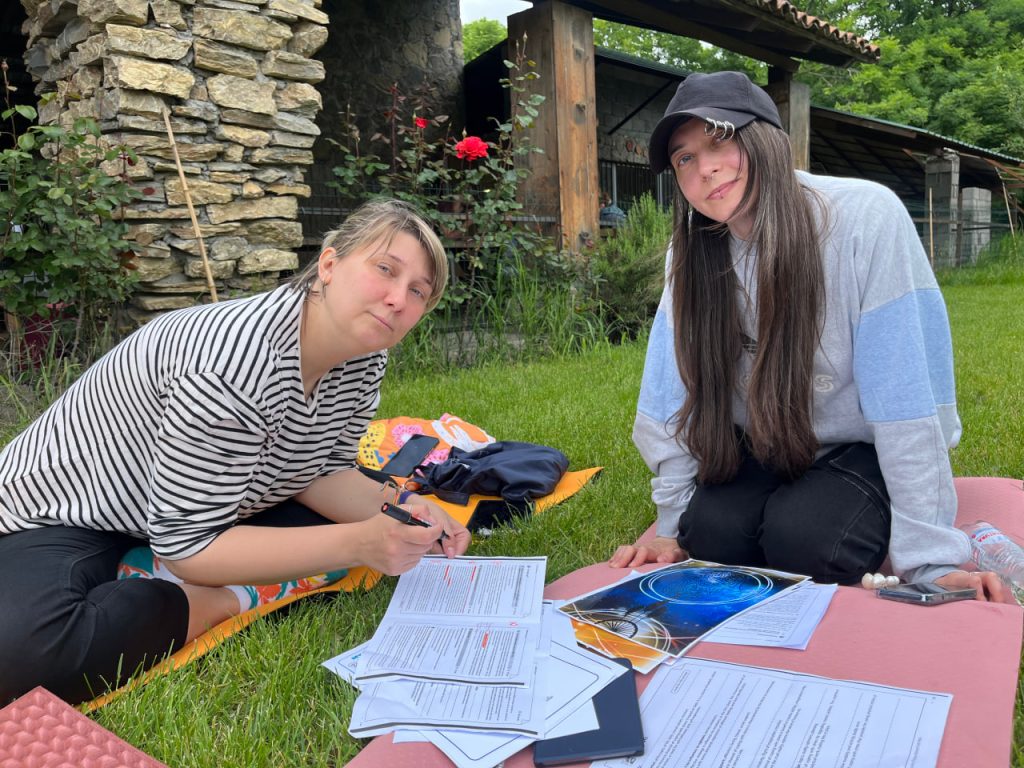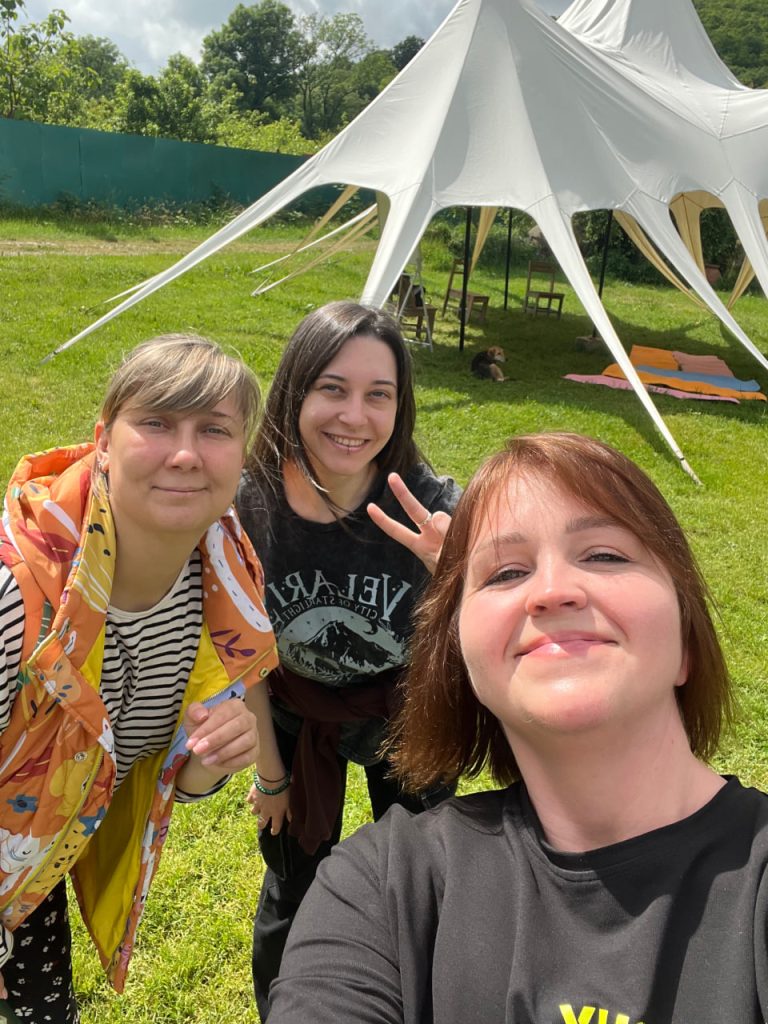
We often talk about Erasmus+ youth exchanges, which give young people opportunities to travel, learn, and meet peers from other countries. However, Erasmus+ also supports the training and professional development of youth workers. In this context, from May 17 to 23, Olesia and Kateryna, representatives of the NGO “YICC Euroclub”, took part in an international training course for trainers in Georgia.
The training brought together youth workers from Ukraine, Georgia, Armenia, Azerbaijan, Germany, Slovakia, Lithuania, and Italy. The programme focused on well-being in youth work and combined theoretical knowledge with extensive practical learning. During the training, participants explored the principles of non-formal education, developed facilitation and self-reflection skills, and examined approaches to creating safe spaces for young people. Special attention was given to social and psychological community mapping, domestic violence, recovery after traumatic events, and the role of youth work in supporting young people’s well-being.
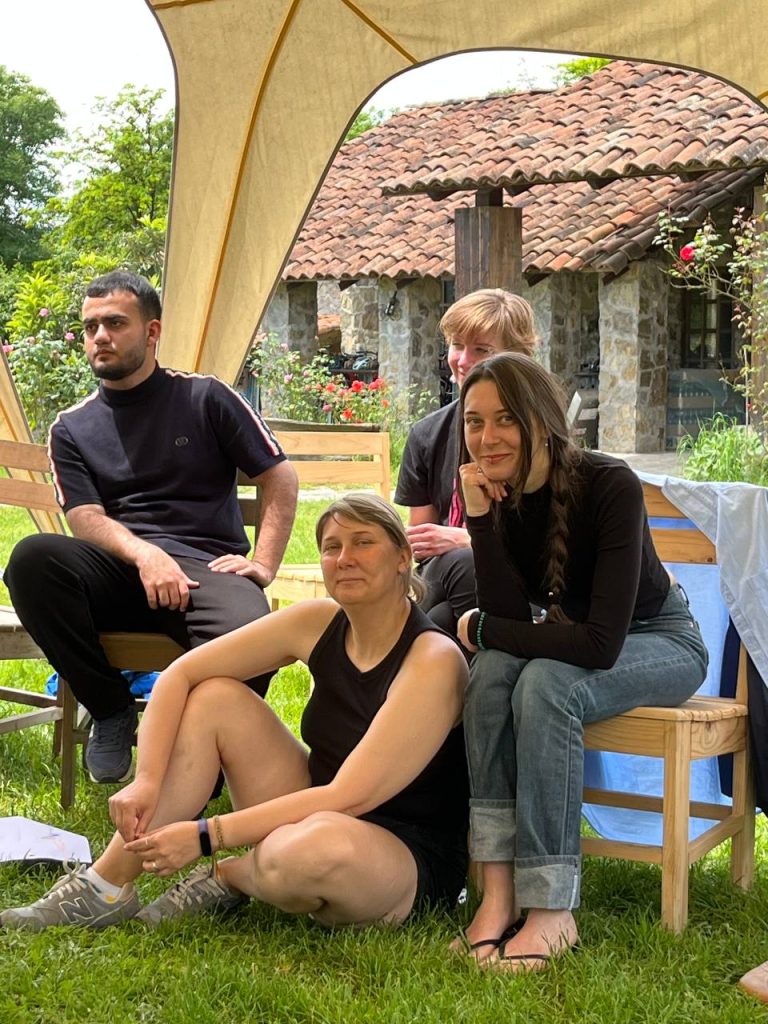
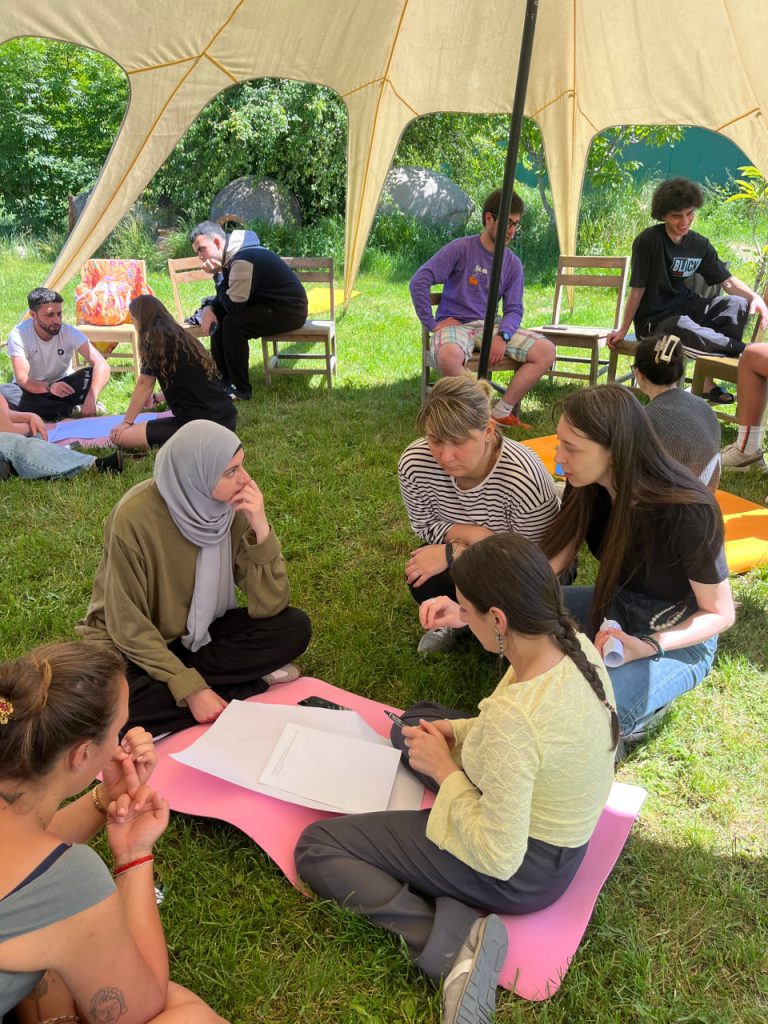
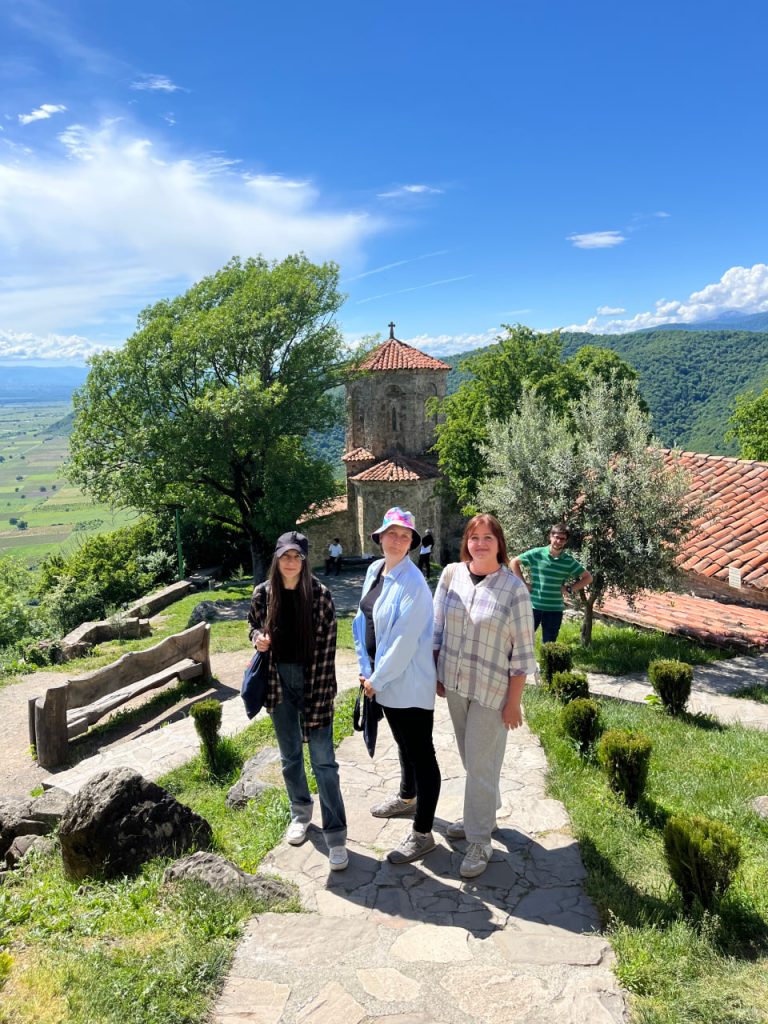
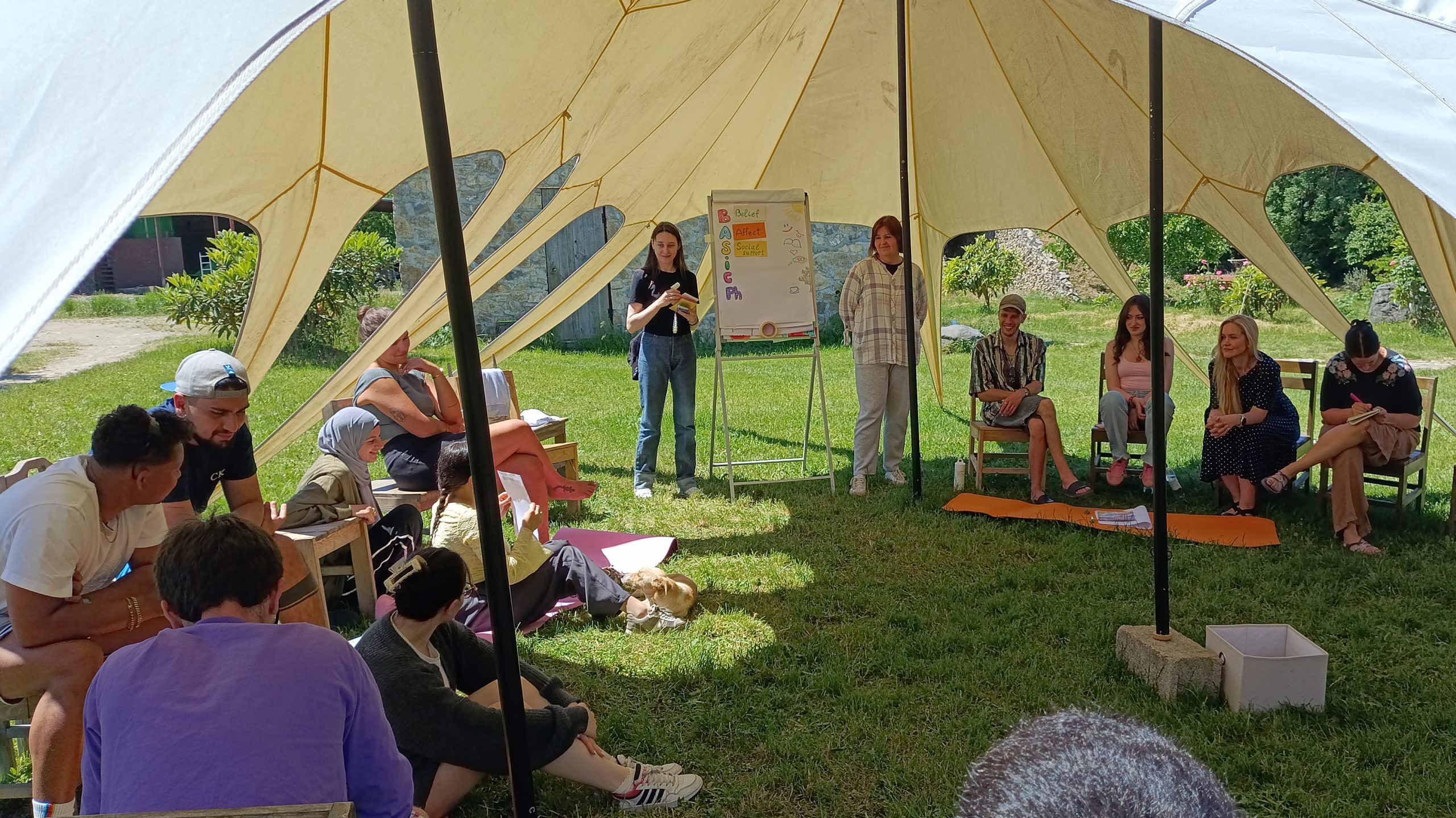
“This training was organised in two stages. The first training, held six months ago, focused mainly on theory, while during the second stage we had the opportunity to put our knowledge into practice and receive feedback from our colleagues,” says Kateryna. Olesia adds: “During the training, we shared our own experience of working with young people. We facilitated a learning session where we introduced the Basic Ph Resource Channels of Recovery model. Together, we discussed practical exercises that we use in our own lives and that can also be applied in work with young people and adults to support well-being, restore personal resources, and build resilience. It was a valuable and engaging discussion.”
The Ukrainian team also included youth worker Oksana from Zolotonosha. According to her, one of the most valuable aspects of the training was the international exchange of experience and the opportunity to view familiar challenges through the perspectives of colleagues from other countries. “For me, this training was an opportunity to look at youth work through the experiences of colleagues from different countries and to rethink the role of a trauma-informed approach in working with young people. The practical tools, sessions led by the Georgian trainers and colleagues from other countries, discussions on how to create safe spaces for young people in the face of different challenges, and the exchange of experience and cultural perspectives with participants from seven countries were especially valuable. I am returning home with new ideas, professional contacts, and a stronger understanding that caring for the well-being of young people and youth workers must be an integral part of modern youth work.”
International training programmes like this help youth workers gain new knowledge and practical tools, expand professional networks, and strengthen cooperation between organisations from different countries. The experience gained and the new approaches discovered during the training are already being applied in youth work back home.