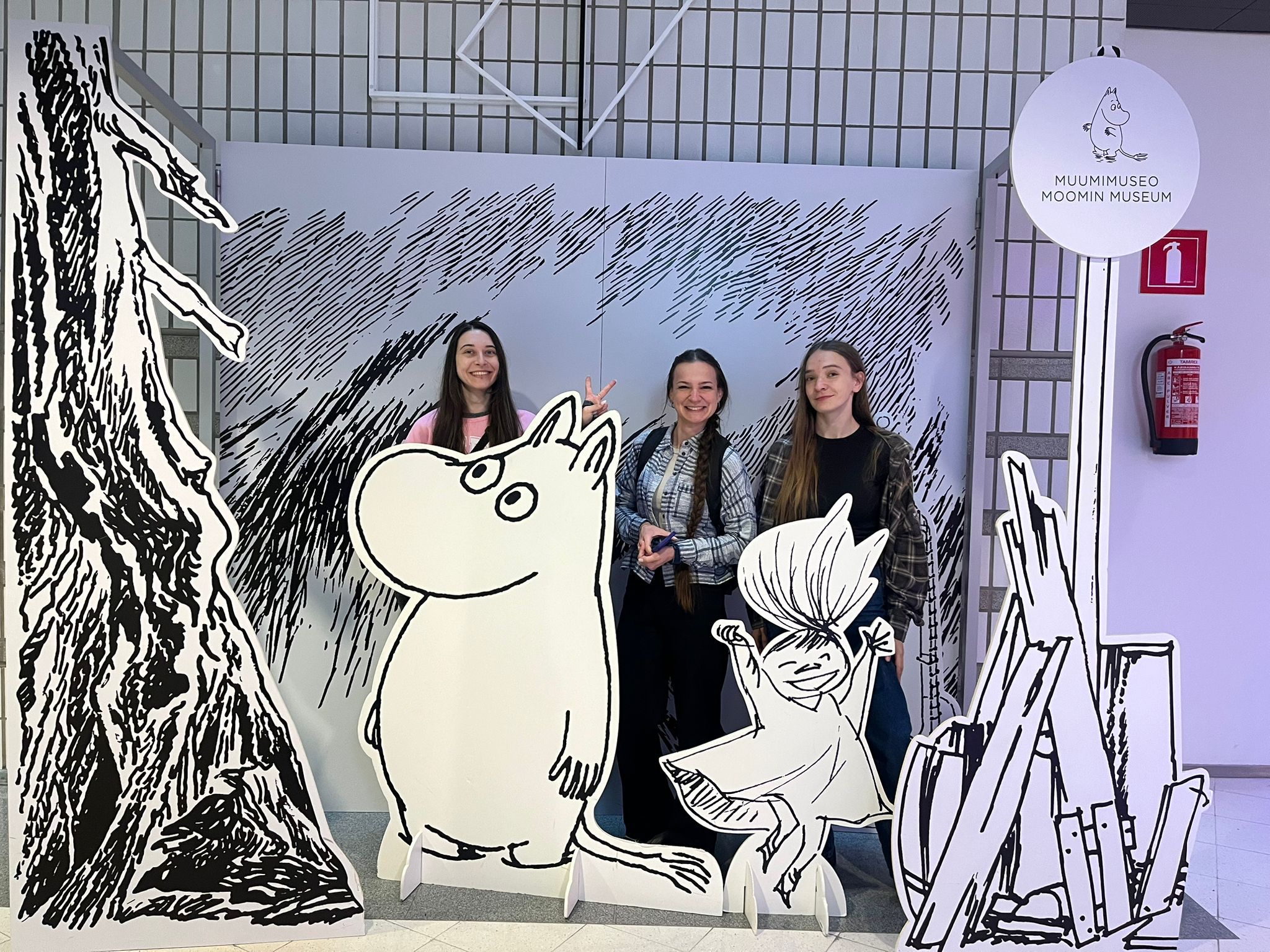
In November 2025, from the 10th to the 14th, we had the opportunity to participate in job shadowing in Tampere, Finland. This experience was a deep professional and human immersion into the Finnish model of working with youth and people with addictions, partnerships, and a trauma-informed approach. Below are the sincere reviews of the participants, reflecting the key impressions, lessons learned, and value of this trip.
Anna-Maria Mykhailiuk,
Head of the Association of Youth Centers of Ukraine.
During the programme, I observed many meaningful moments of learning and professional development within the work of experts and youth centres. Being immersed in the team’s daily activities, visiting youth spaces, and observing interactions both with young people and among experts was incredibly valuable.
Communication with specialists was especially important — they openly shared their knowledge, answered all our questions, and demonstrated the approaches and practices they use in their work. What impressed me the most was the sincerity, dedication, and humanity of the team in their interaction with young people. It created a strong sense of trust and revealed the depth of their mission.
The cooperation was excellent — one of the best I have ever taken part in. It was well-structured, well-organised, and incredibly warm both during the planning and the implementation phases, as well as in the evaluation stage.
My role as a partner was to immerse myself in the process as much as possible, learn about practices, and share information about work. I truly feel that I succeeded, as I now have a strong desire to tell others about organisations and the uniqueness and high quality of work. I have visited youth-focused organisations in 11 countries, but team in Finland is the one I speak about with the most warmth, sincerity, and admiration.
In the future, I would be happy to strengthen our partnership through regular exchange of practices and opportunities for joint projects.
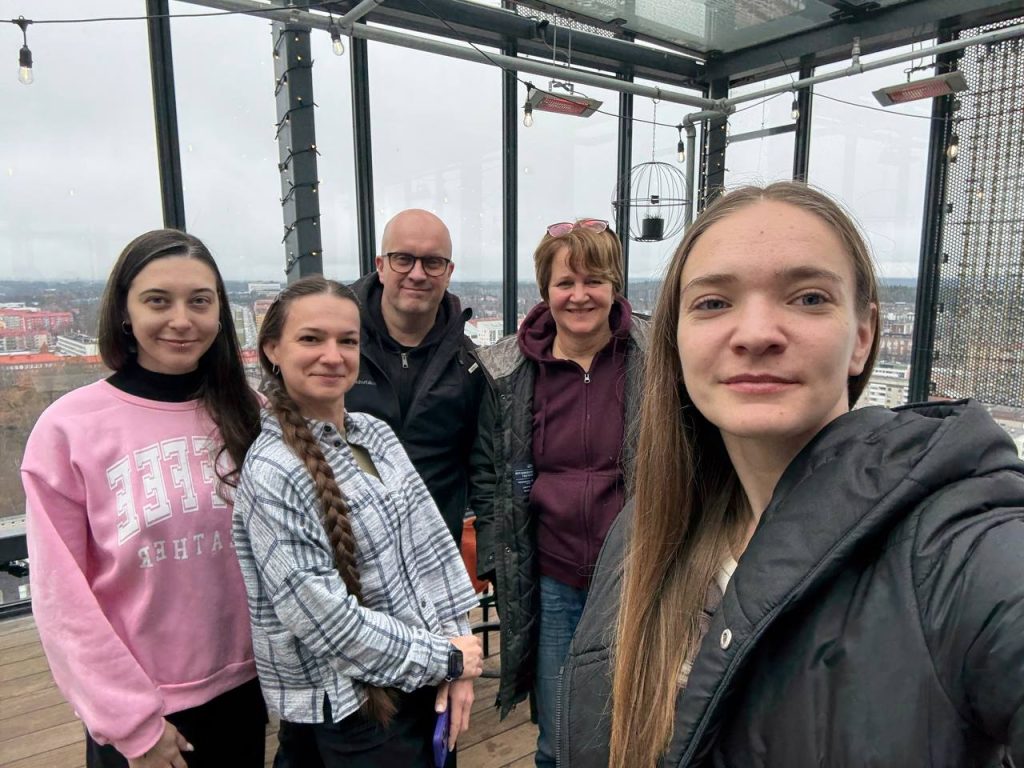
Communication throughout the programme was exceptionally strong — clear, timely, and very human. We consistently felt supported and cared for. This level of communication is rare, and we are sincerely grateful for it.
After returning home, I have already started sharing the knowledge gained with colleagues and youth centre representatives in Ukraine, telling them about your approaches, organisational models, and specific tools that inspired me and can be adapted to our context.
The most important outcomes were the deep immersion into the work of youth centres and the opportunity to talk with young people, seeing firsthand the impact of your programmes.
The model of the youth centre located inside a shopping mall left a particularly strong impression — positioned where young people naturally spend time. This is a practical idea that I will actively promote in Ukraine as an innovative and highly effective approach.
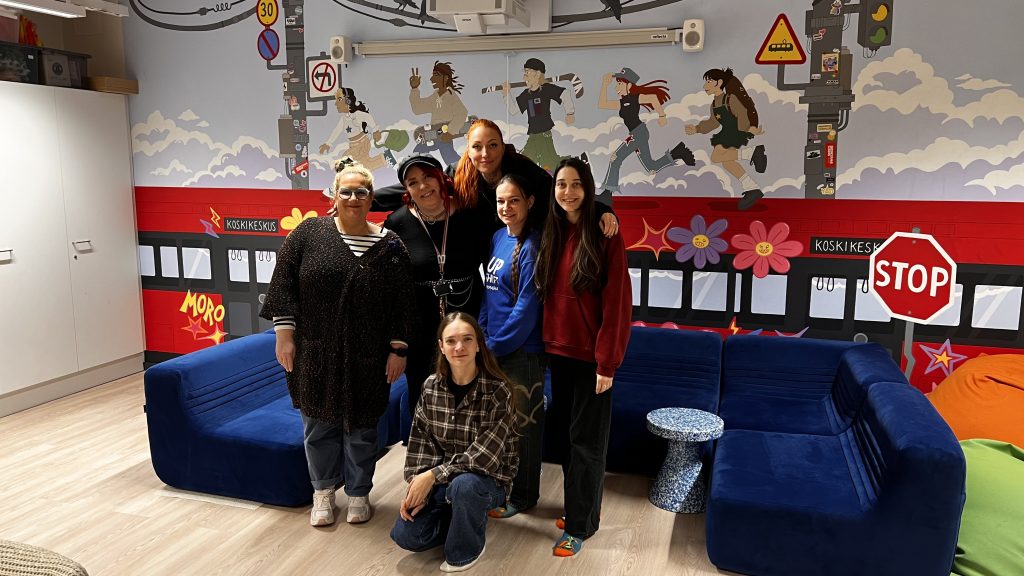
Another key lesson is strong focus on quality over quantity. Work with each young person not to meet numerical targets, but to support long-term impact and skill development. In our context, numbers and deadlines often overshadow the true essence of the work. Approach reminds us that real change happens when we prioritise meaningful engagement and the real needs of young people.
In the future, I would like to allocate more time for discussing and practising the tools they use, to integrate methods more deeply into my work.
Alina Kasіanova,
Trainer of the Youth Worker program, member of the board of the Association of Youth Centers of Ukraine.
During the visit, I observed a systematic model of working with people who have experienced trauma. This approach is based on safety, trust, and respect for individual lived experience. A significant professional outcome was gaining a deeper understanding of how the principles of the trauma-informed approach are integrated not as a separate method, but as a daily practice within youth spaces and teams.
Particularly valuable was the opportunity to observe how youth and social workers take into account a person’s psycho-emotional state when planning activities, communication, and interaction, without stigmatizing lived experience or pathologizing behavior. This experience fundamentally changed my perspective on working with young people who have addictions.
It was also interesting to see how approaches that are familiar to us—such as the use of metaphorical cards, shared tea gatherings with conversation, creative workshops, and anti-stress coloring—were presented as innovative practices. It was affirming to realize that we have been using these approaches consciously or intuitively in our youth space and in our work with young people overall, as we follow their needs and expressed requests.
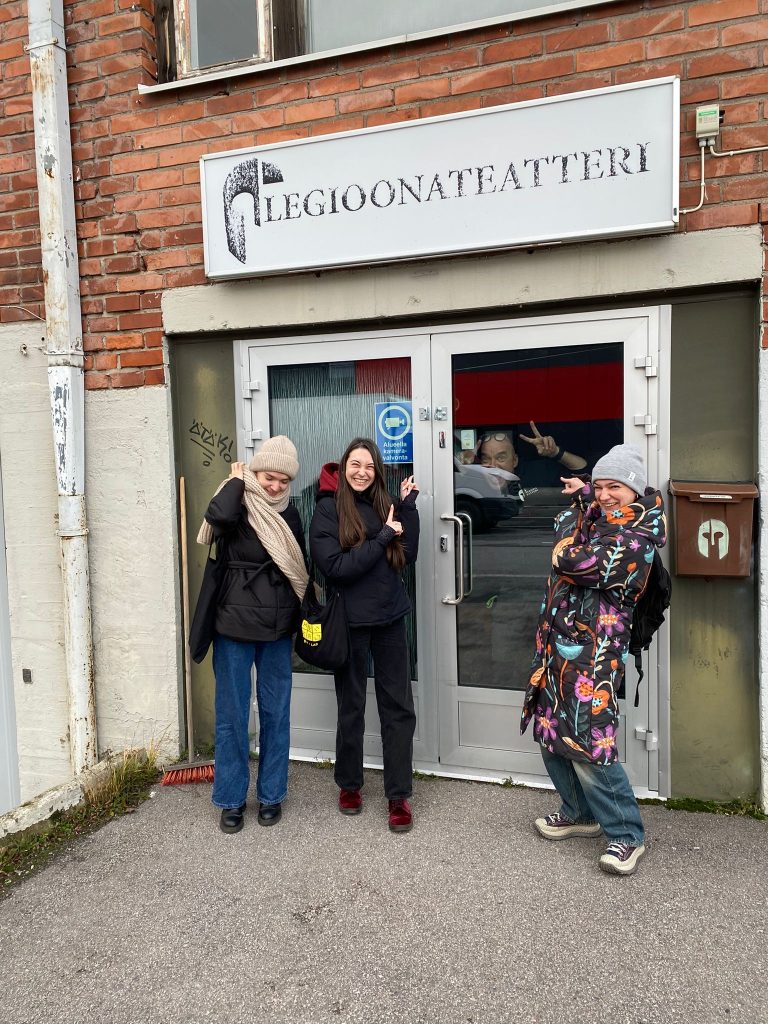
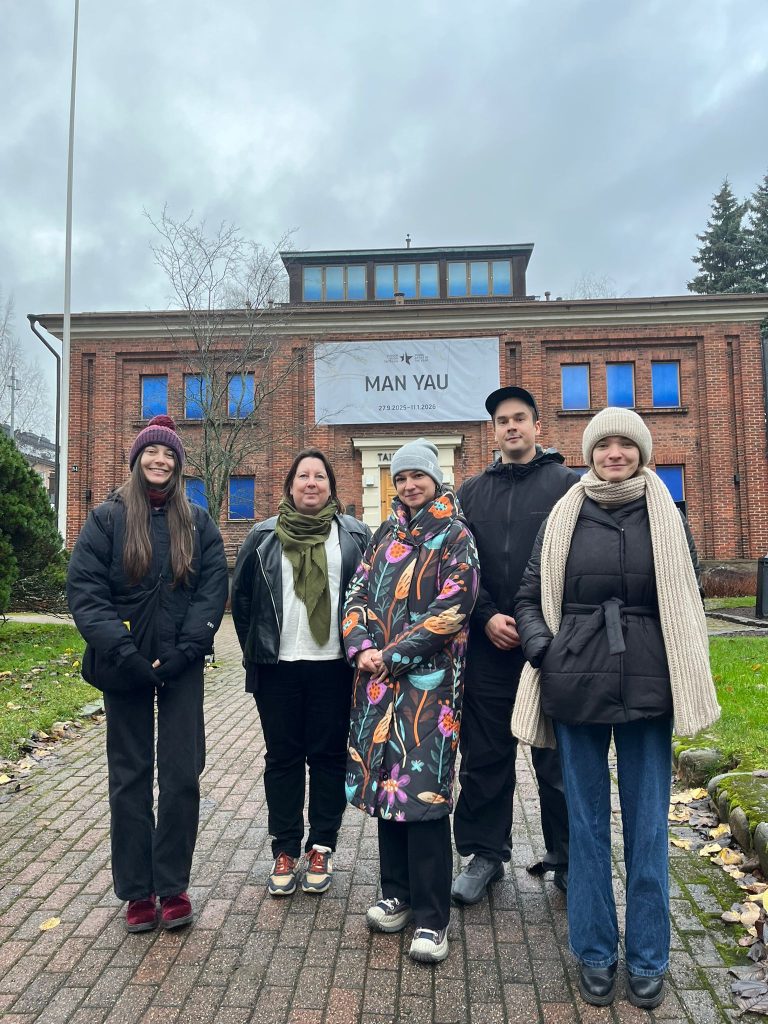
Cooperation with the host organization was designed in a highly people-centered and consistent manner at all stages, from programme planning to implementation and reflection. The visit programme was well structured while remaining sufficiently flexible to take into account our professional interests and the context of our experience in applying the trauma-informed approach.
In my role as a partner, I actively participated in professional discussions whenever possible, shared Ukrainian experience of working with young people in contexts of crisis and war, and initiated comparative reflections on approaches to youth engagement and the functioning of youth spaces. As an area for improvement, it would be valuable to further explore opportunities for continued cooperation and experience exchange beyond online formats.
The job shadowing focused on the trauma-informed approach was communicated in advance within my professional network as an opportunity to deepen competencies in safe and sensitive work with young people’s lived experiences. During the visit, there was continuous exchange of observations with the host organization, as well as ongoing reflection with colleagues from our group.
Key insights and practical outcomes were shared with colleagues and professional networks. In particular, I shared the experience during an online meeting of trainers of the specialized training programme “Youth Worker: Trauma-Informed Youth Work”, as well as at an online workshop for the Association of Youth Centers of Ukraine. I also integrated the acquired knowledge into my further training and programme activities within the youth space “Druhyi Poverkh”, especially in the development of events and educational programmes applying the trauma-informed approach. Currently, the mental health support direction “Komfortik” continues to develop within the space.
The experience of organizations in Tampere demonstrated that the trauma-informed approach is fundamental for team sustainability, burnout prevention, and building trust, especially with young people.
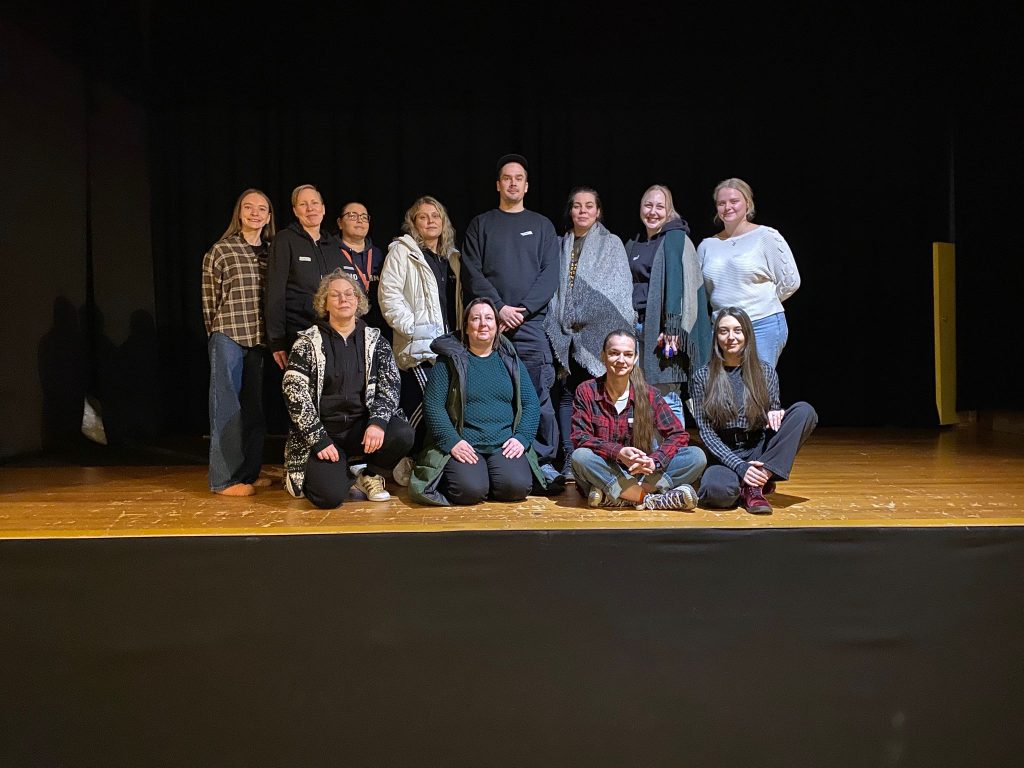
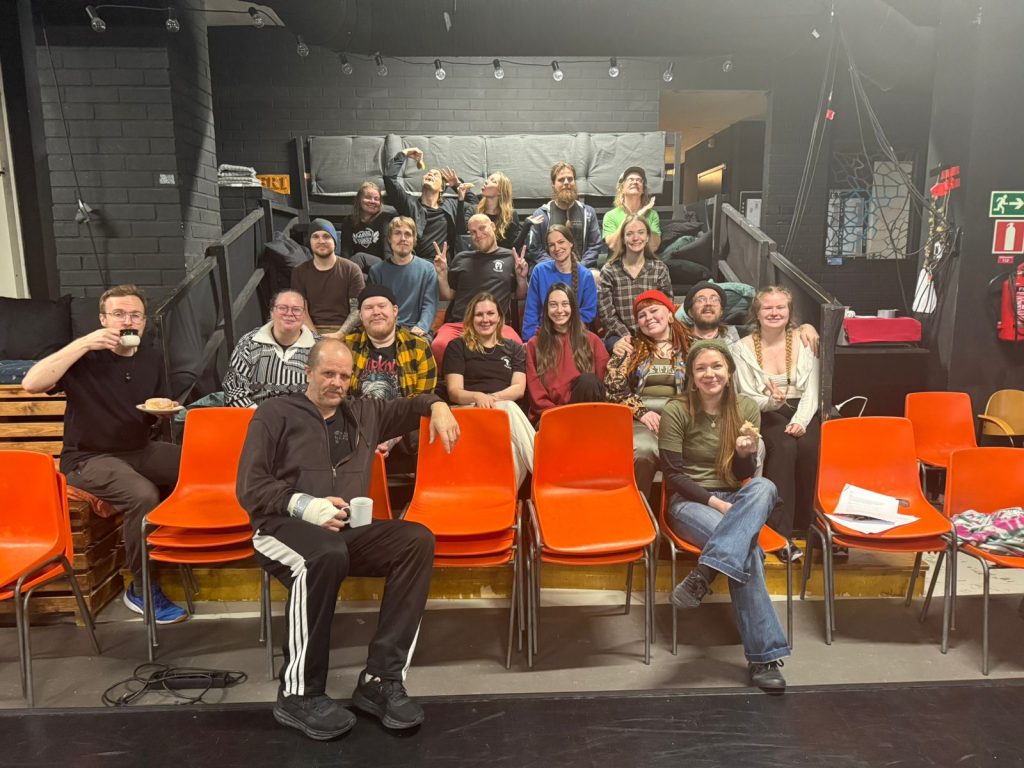
This visit confirmed the value of international exchanges as a tool for professional growth and strategic thinking. Even informal conversations provided opportunities to share the realities we are currently living in and to show that Ukrainians do not need pity—we need to be understood and supported. I observed how our understanding of the trauma-informed approach is currently transforming in the contemporary context, and that we, Ukrainians, can and should share our own experiences as well.
Next time, it would be advisable to allocate more time for joint reflection with the host organizations and for developing a concrete vision of potential joint initiatives for the future.