Maryna:
From March 12 to 24, I was involved in the project “PANdamnit! – LGBTQIA+, gender and minorities during the COVID-19 pandemic”, which took place in Slenic-Moldova, Romania. This project was dedicated to the topic of LGBT+ rights during the pandemic and involved 42 people from 8 countries: Armenia, Malta, Greece, Albania, Ukraine, Spain, Romania, as well as Turkey. I felt that, thanks to many years of experience of the host organization, all logistical and organizational aspects were under the complete control of the hosts, and I highly recommend the projects of these organizers.
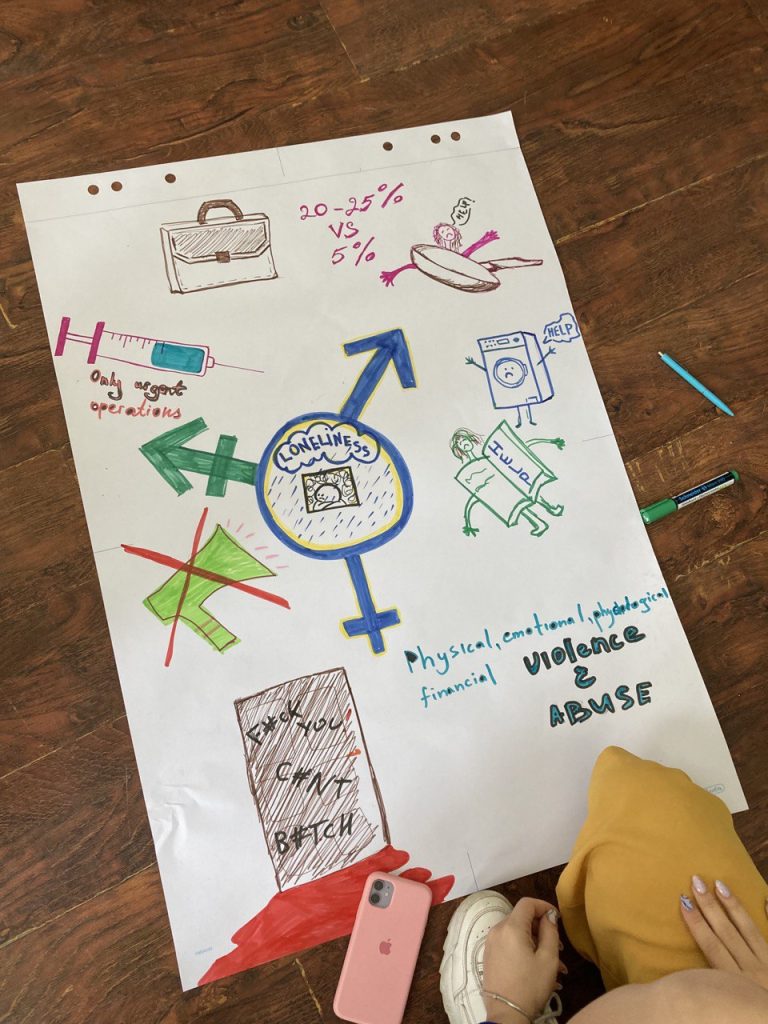
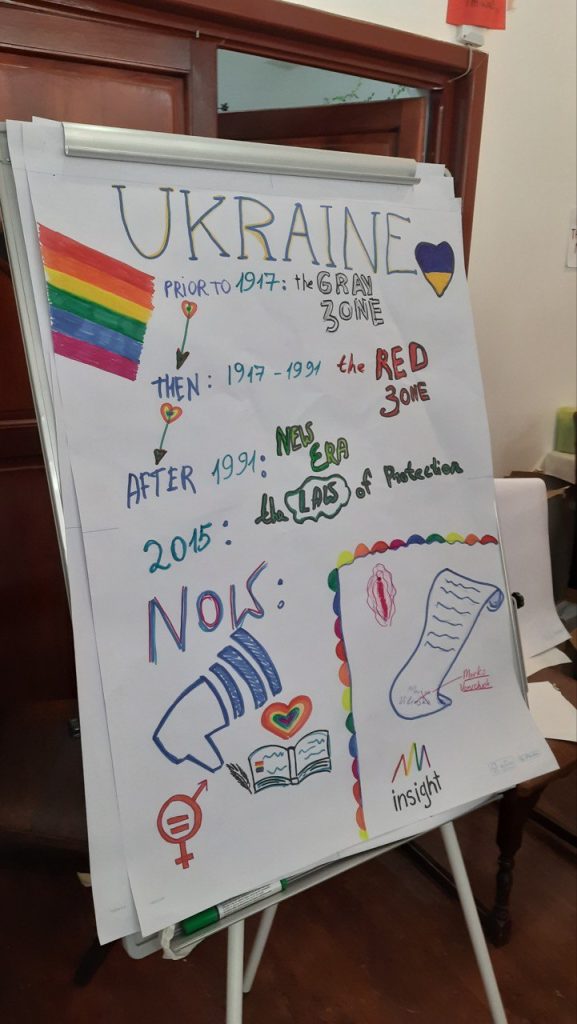
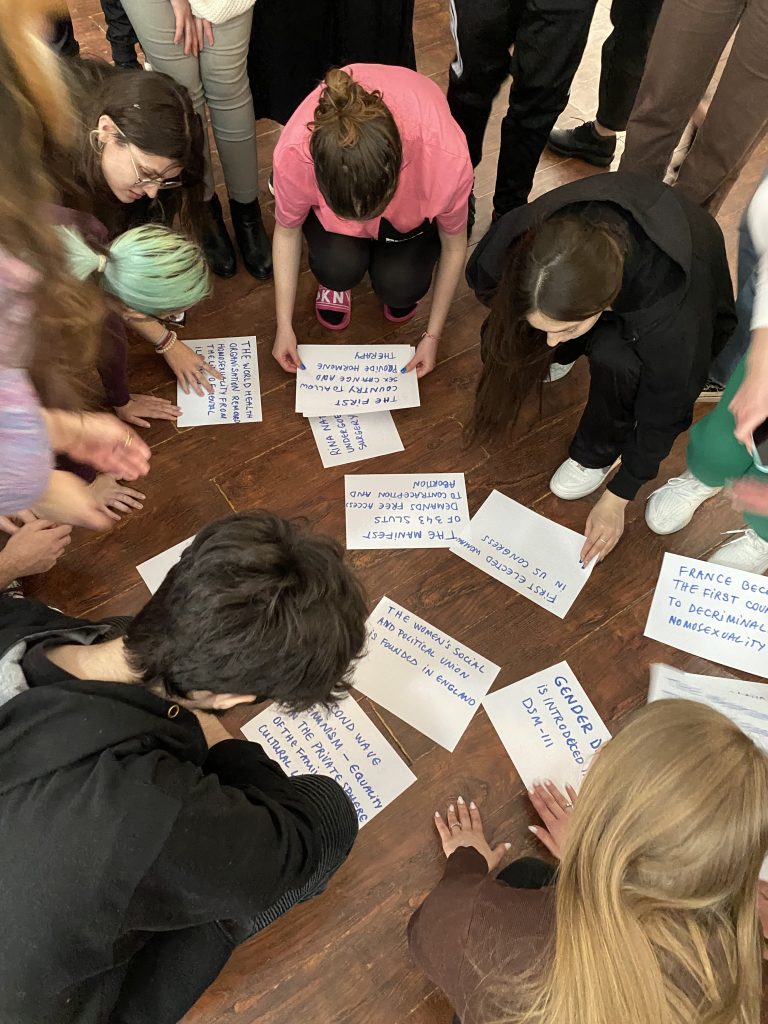
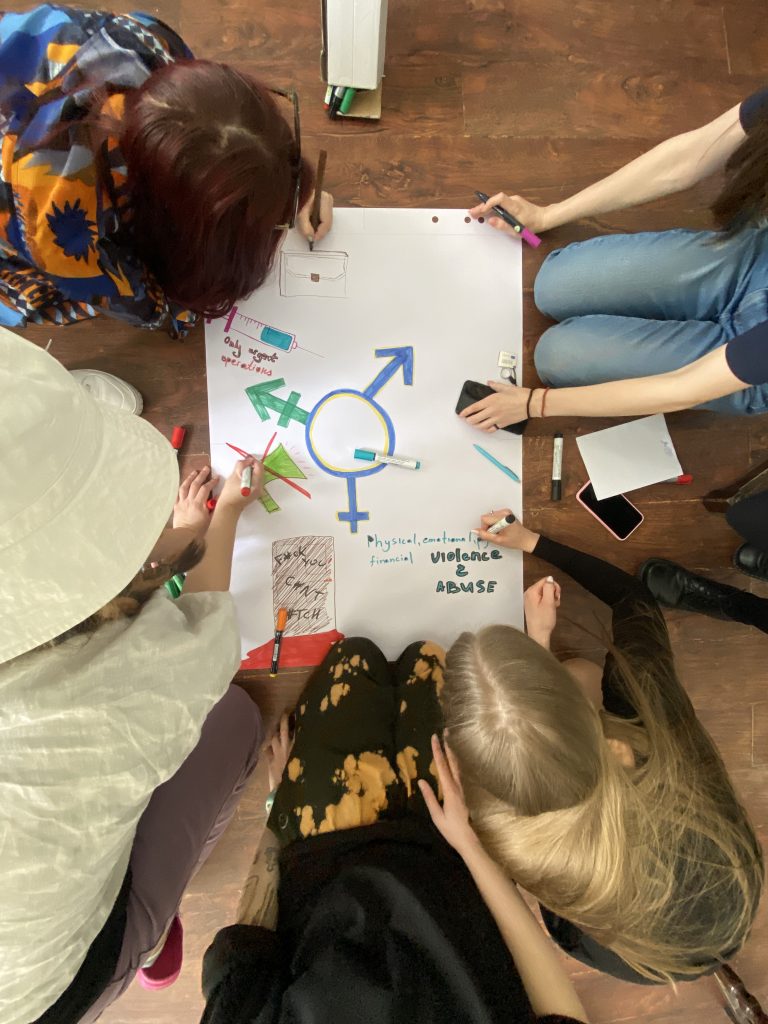
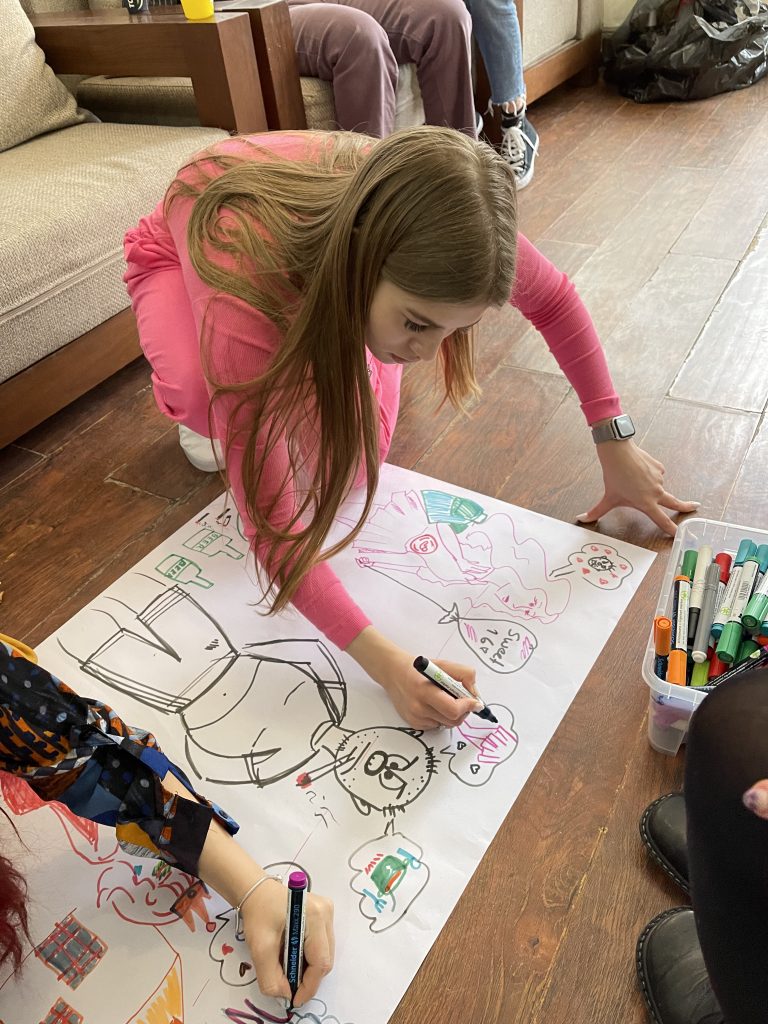
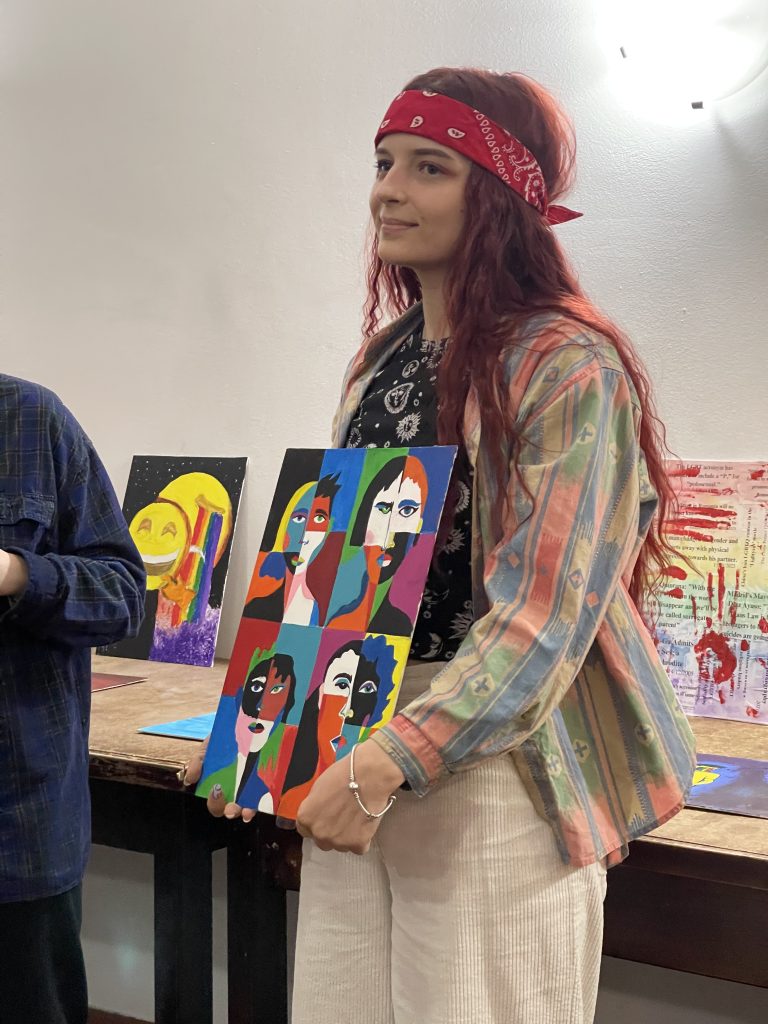
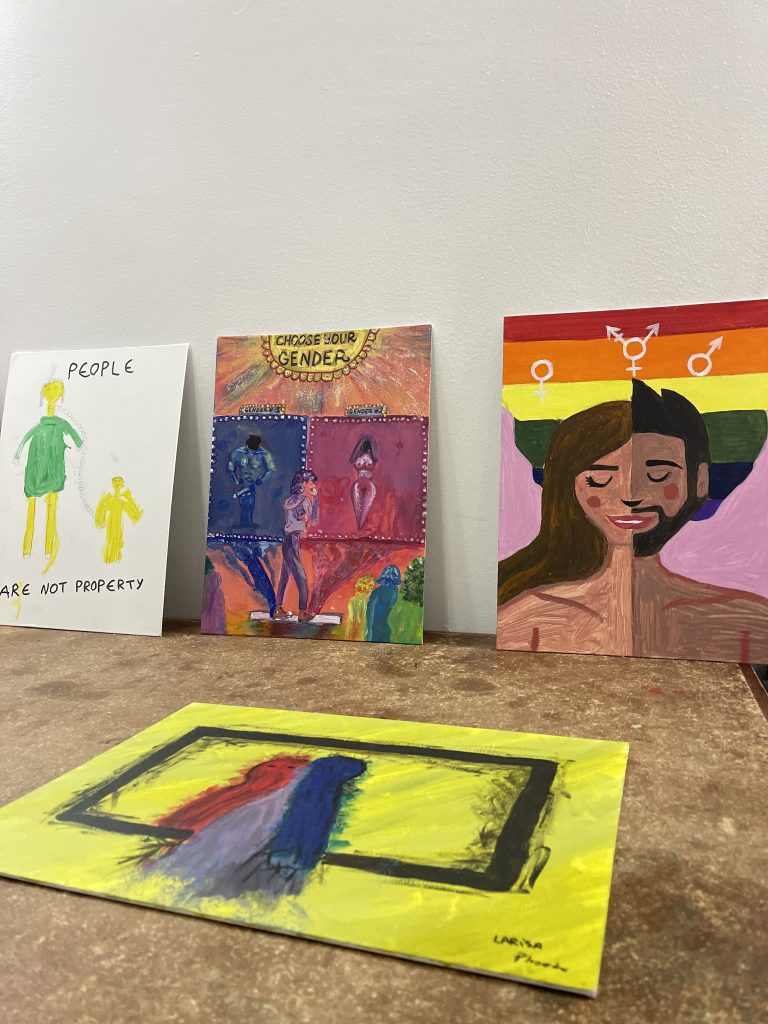
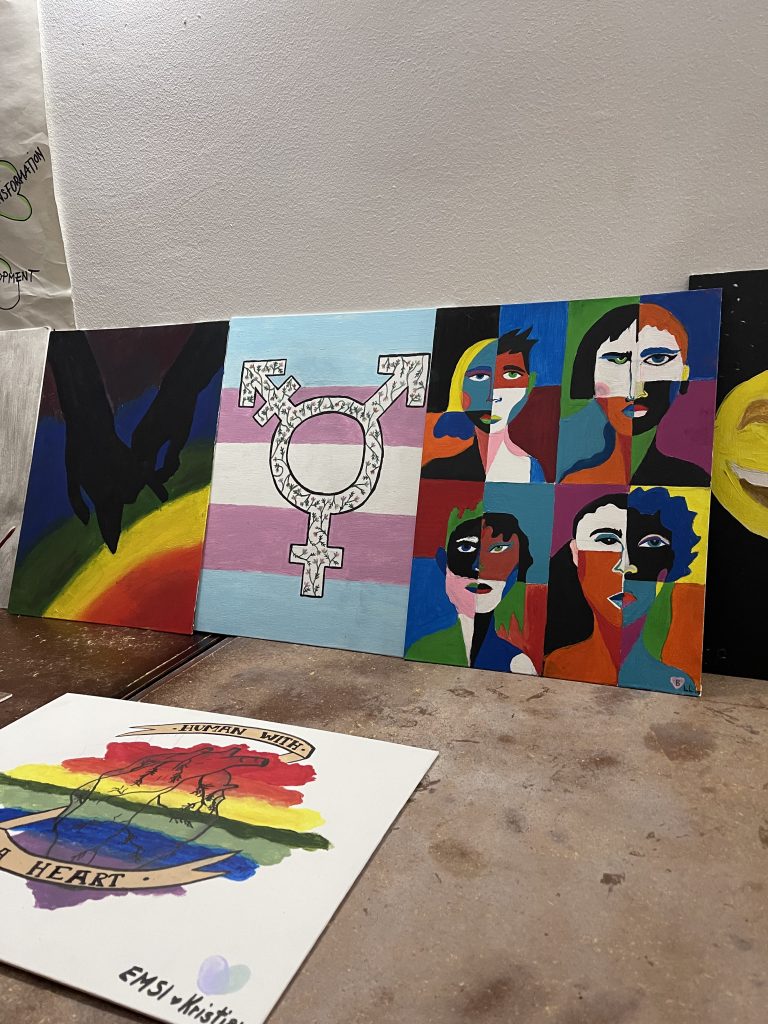
From 10:30 to 19:30 (excluding the lunch break), we spent time in sessions – the first sessions were devoted to the history of the LGBT+ community and the feminist movement, the last – to the creation of paintings, lip dubs and brochures on these topics. As a person belonging to the LGBT+ community, I went to the exchange confident that I had the theoretical information, but because the session was facilitated not only by the hosts, but also by other participants, I learned new things about, for example, asexuality or Malta’s difficulties with abortion .
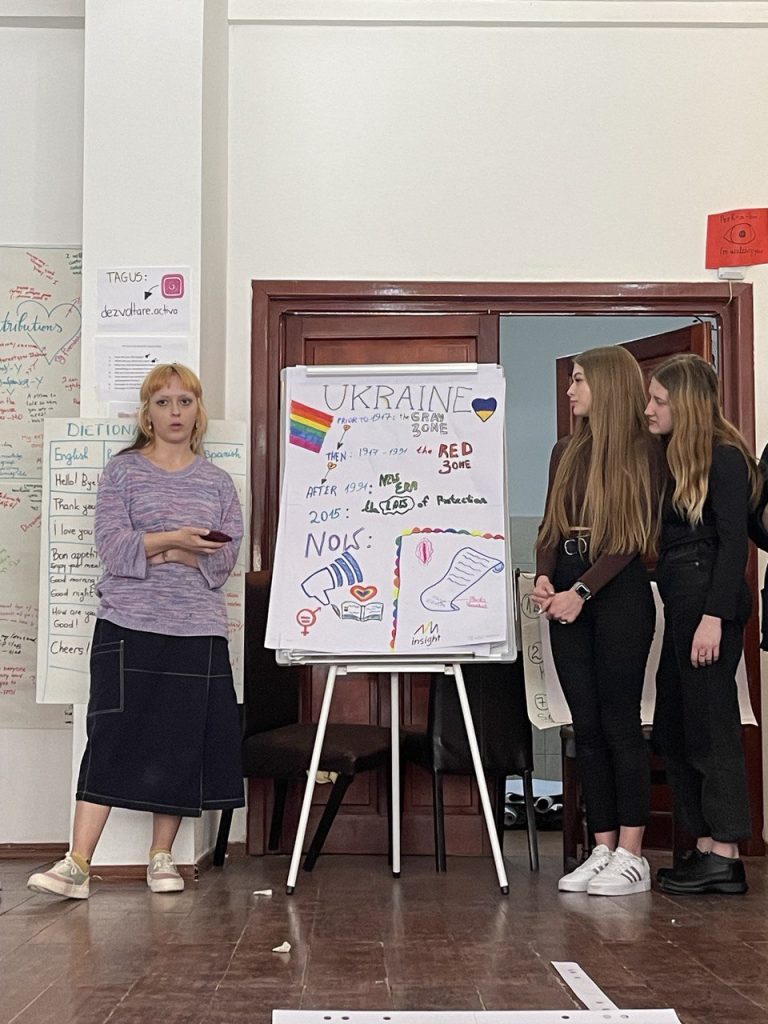
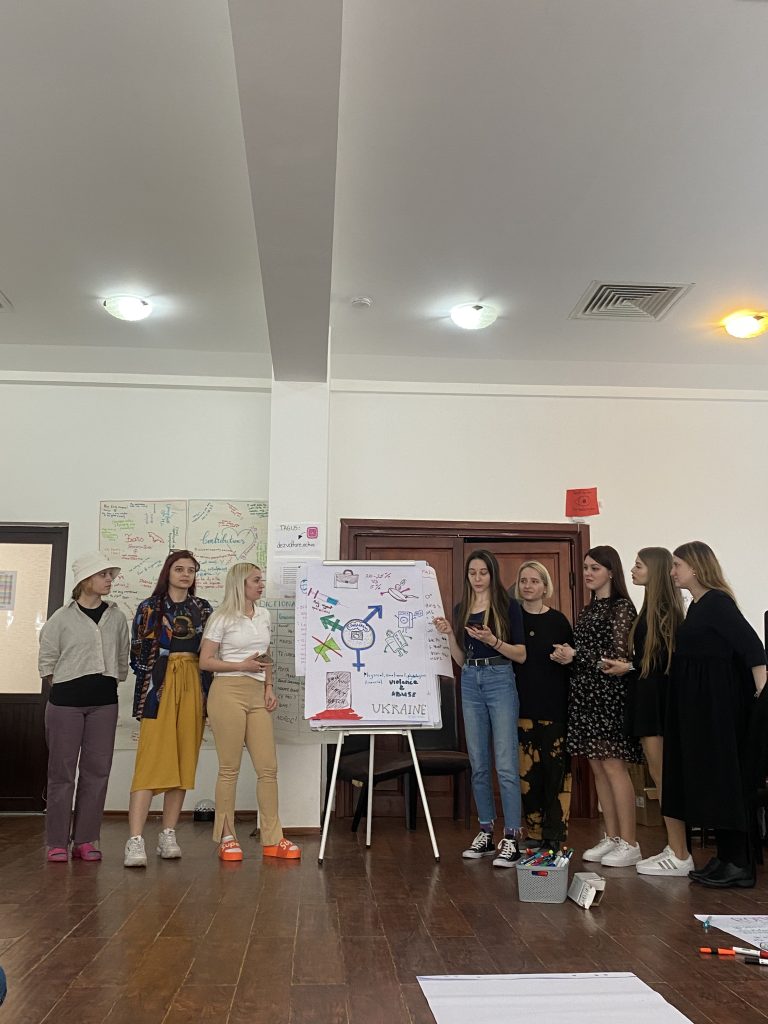
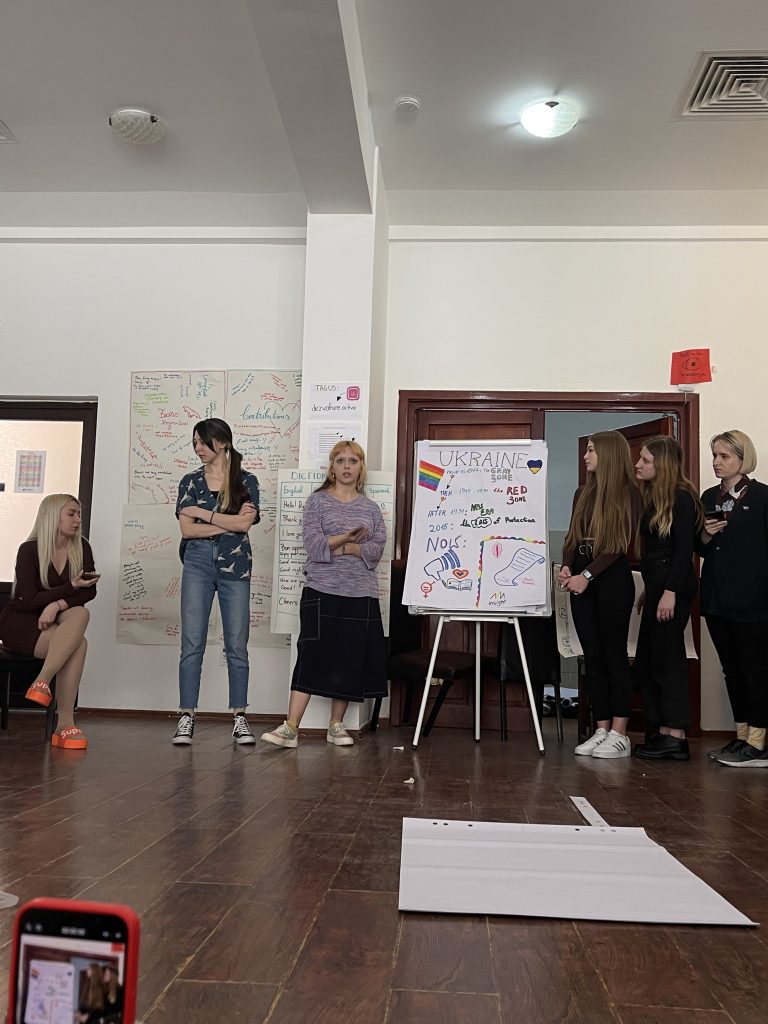
The most interesting sessions were those where the national teams talked about legislation related to gender or the LGBT+ community – we had the opportunity to compare the written law with the experience of a citizen of the country firsthand. Separately, I want to mention the lecture of the author of the exchange – Leo, dedicated to general vocabulary and which served as a “basic initial course” in the theory of sexuality and gender. Even if some participants were not familiar with the topic of exchange beforehand, on the last day they could be leaders in discussions about sexual orientation or gender identity.
A very balanced program of sessions, where painstaking work alternated with creative tasks, contributed to the establishment of personal relationships with other participants, and at the end of the project there were almost unanimous opinion that if outside the project we lived in such a tolerant society as during this exchange, then such projects would no longer be necessary.
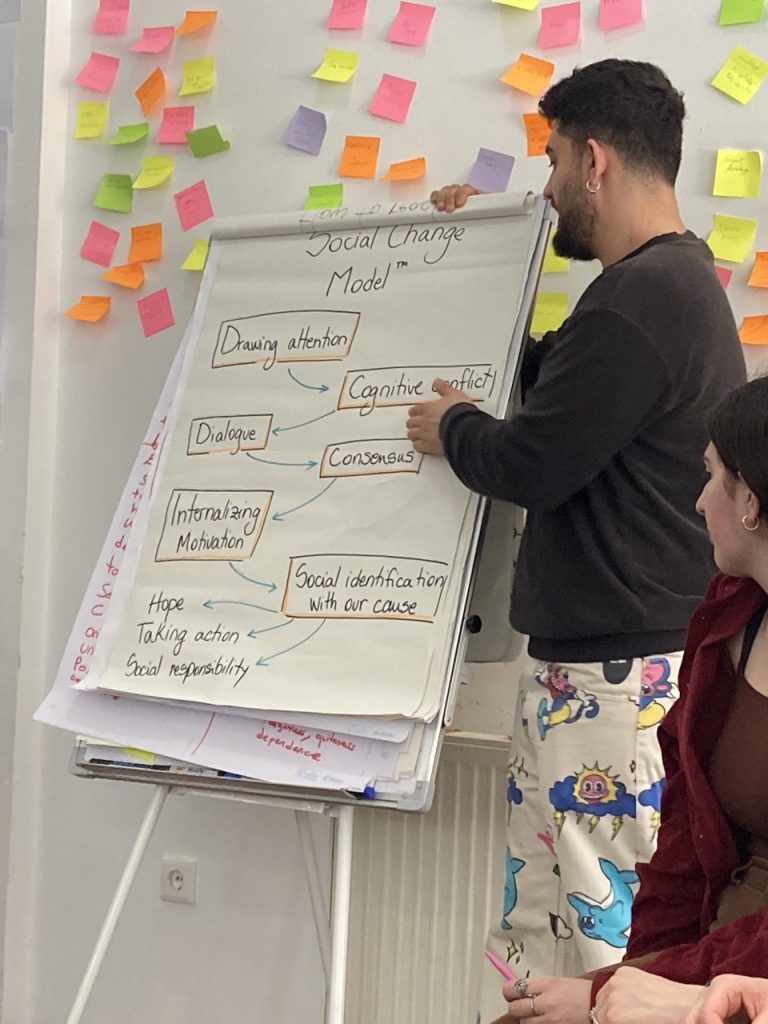
After returning from the exchange, the participants should implement several activities aimed at disseminating the results and acquired knowledge among local communities. I am very glad that I still have an opportunity to work together with the Ukrainian team, because we facilitated sessions on the project in an incredibly harmonious and pleasant manner.
Alina:
This experience became defining for me. I realized that our society is still at the stage of acceptance and needs changes, and everyone should get involved in the problems of LGBT groups. You need to change your attitude and the attitude of other people to this topic. An incredible exchange! I was also able to explore the cultural features of other countries.
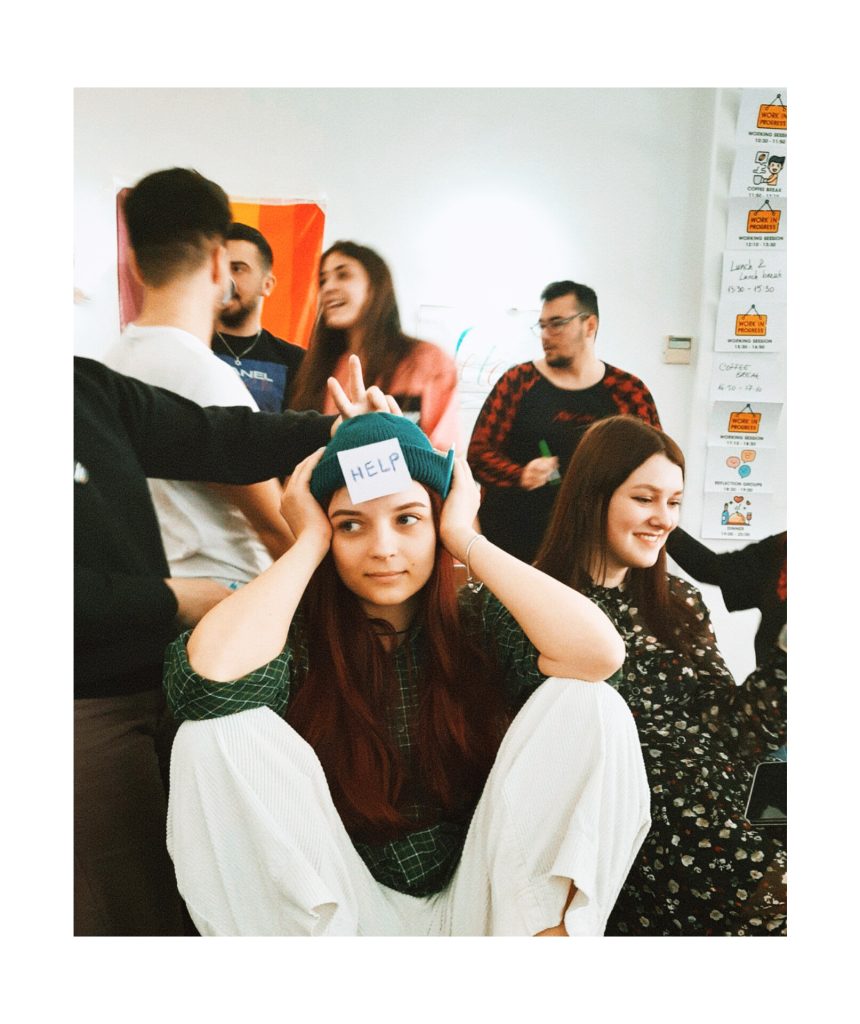
I also gained an understanding of the diversity of gender identification and its perception by society. I had the opportunity to take part in activities that, in general, “copy” the possible behavior of the community towards socially affected sections of the population. We could also then discuss it with other participants and present our ideas and thoughts on this or that issue.
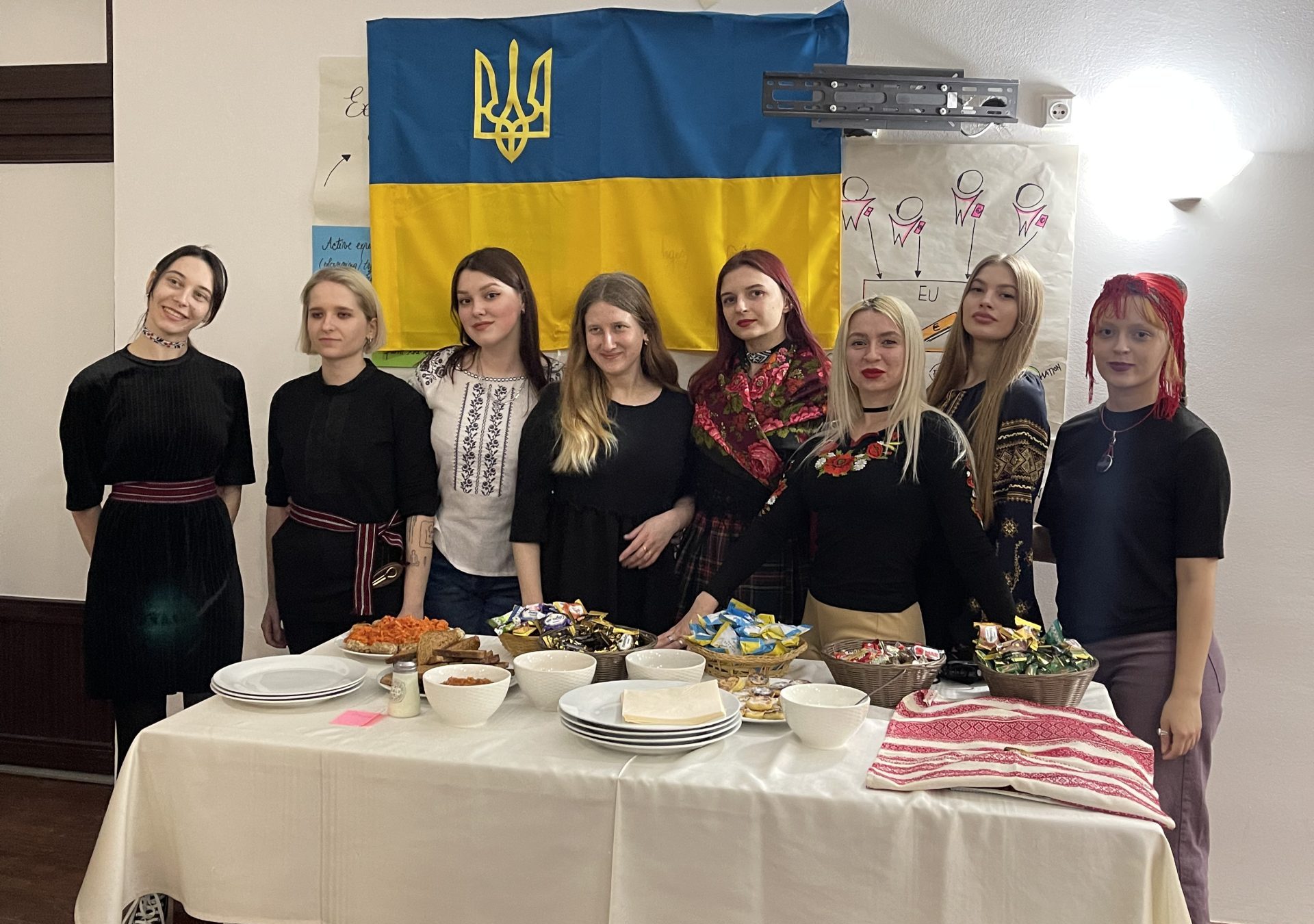
One of the most exciting things were the cultural evenings, where teams from other countries presented their countries, including traditions.
Yelyzaveta:
Let me start by saying that this was my first Erasmus experience, and everything new and for the first time is always scary.
I learned about this exchange from my work colleagues, who said that it would be a great opportunity to improve my English and get new experiences. From the very beginning, I had doubts whether I should go or not, especially when I received the letter with the infopack and it seemed to me that it would be extremely difficult and unclear to fill out the various documents and questionnaires that I had stepped on the other day. only your own form but also the Wiki form. But I was convinced by Vika, with whom I was together, that it would be quite interesting, but I felt a double burden and anxiety, because Vika does not speak English and I would have to explain and help her, and I was worried about how she would feel. Therefore, the closer the date of the trip approached, the more I looked for reasons to refuse, but it was only fear of the unknown.
Finding tickets to Slenik Moldova and back to Zhytomyr was not that difficult, and the only downside was the transfers. Especially after the end of the program, we spent 52 years to get to Zhytomyr, due to bus transfers. We did not feel our legs and back, and the wonderful impressions faded from fatigue.
What about the exchange itself?
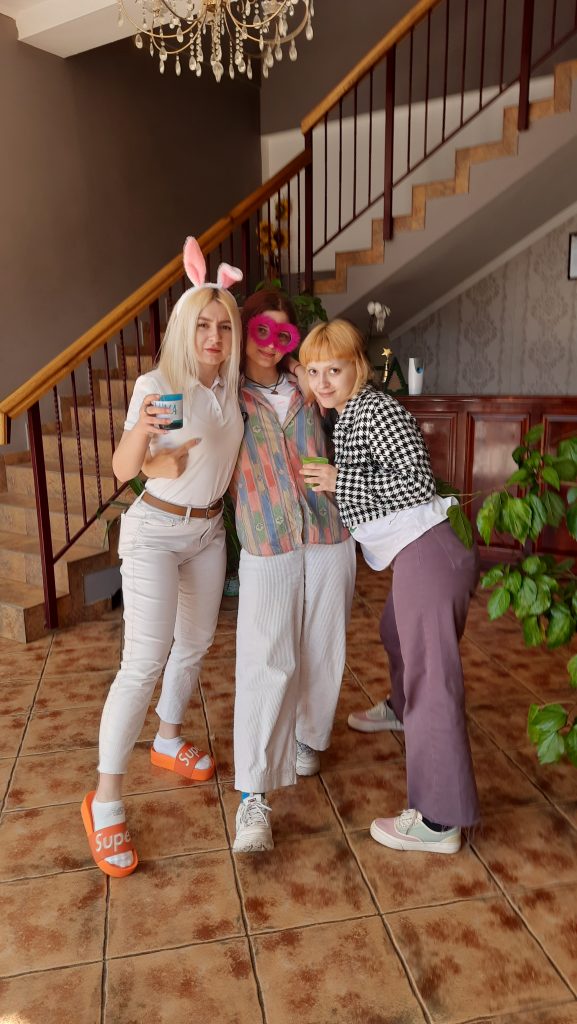
I’ll say it as it is – it was simply incredible and inspiring!!! The Ukrainian team became my peace, good mood and support in 12 days. Although at first, it seemed that none of us would find a common language, because we were all completely different and it seemed as if we would all annoy each other.
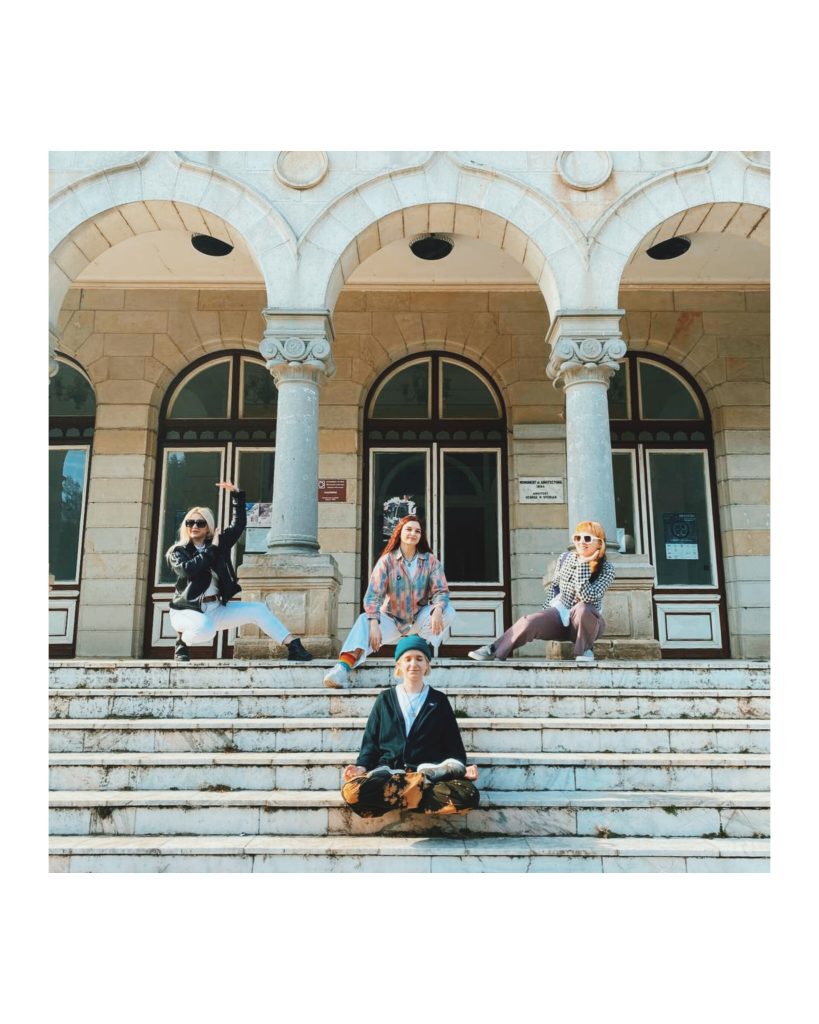
My first impression of our team leader was quite strange, because at first I saw her excitement about the organization of the cultural evening and everything that would happen with the Ukrainian team, and at the same time I saw her as a trickster and a mega charming person, and because of her seriousness, I could not to understand what she felt and how she relates to everyone, but I already know what it was. Now I have wonderful friends and acquaintances, not only from Ukraine, but also from Malta, Albania, Spain, Greece, Romania, Bulgaria, Turkey, Armenia.
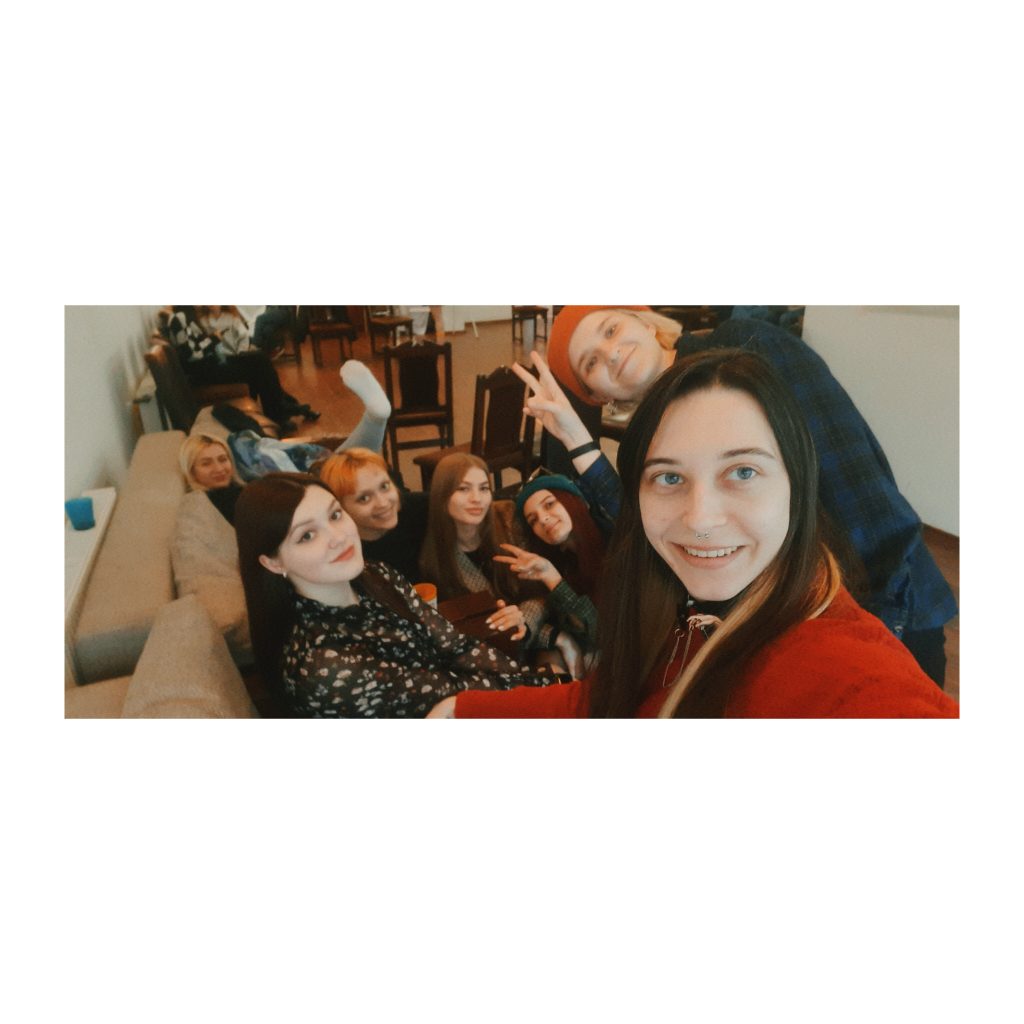
I am incredibly grateful to each of the girls for supporting Vika and helping her when I couldn’t be there because we were divided into different teams, as well as when I got sick.
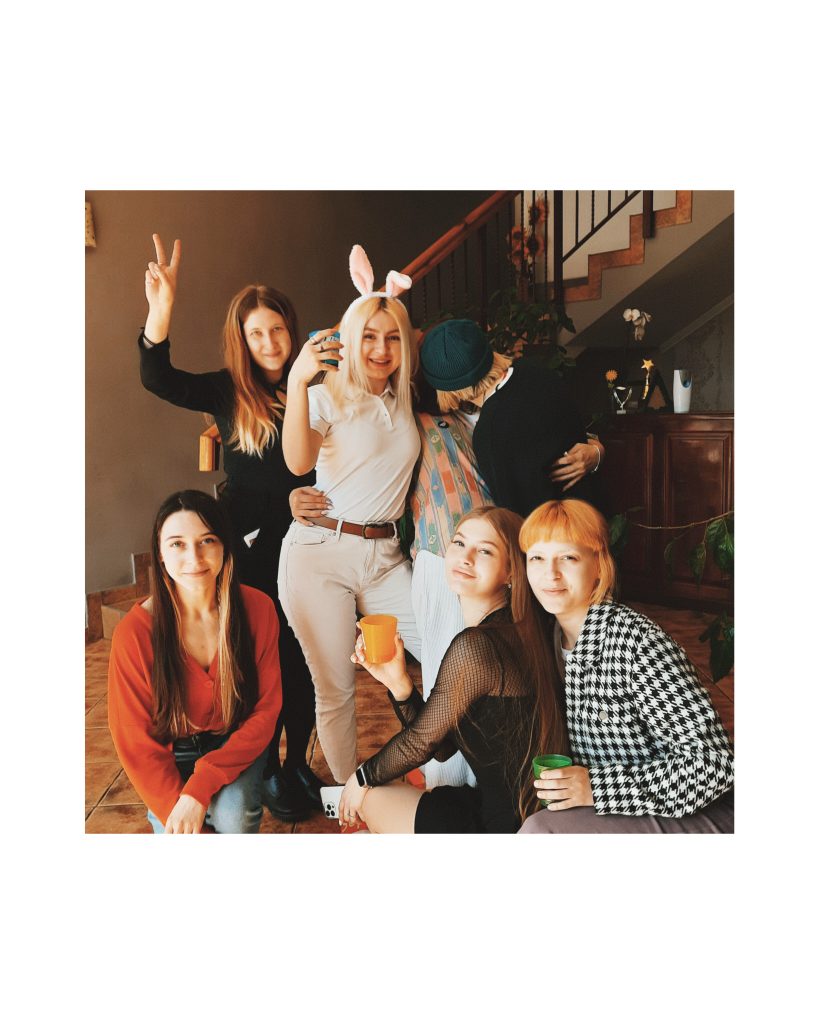
Most of all, I didn’t want to get sick on the project, but what you fear happens. I wrote to the organizer Viktor that I wasn’t feeling well and wrote to the girls in a joint chat about feeling bad and it seemed that everyone brought me medicine and teas of the world, it was very nice. I lay down and
slept for two days and I felt better. Therefore, I am grateful that they helped me recover faster.
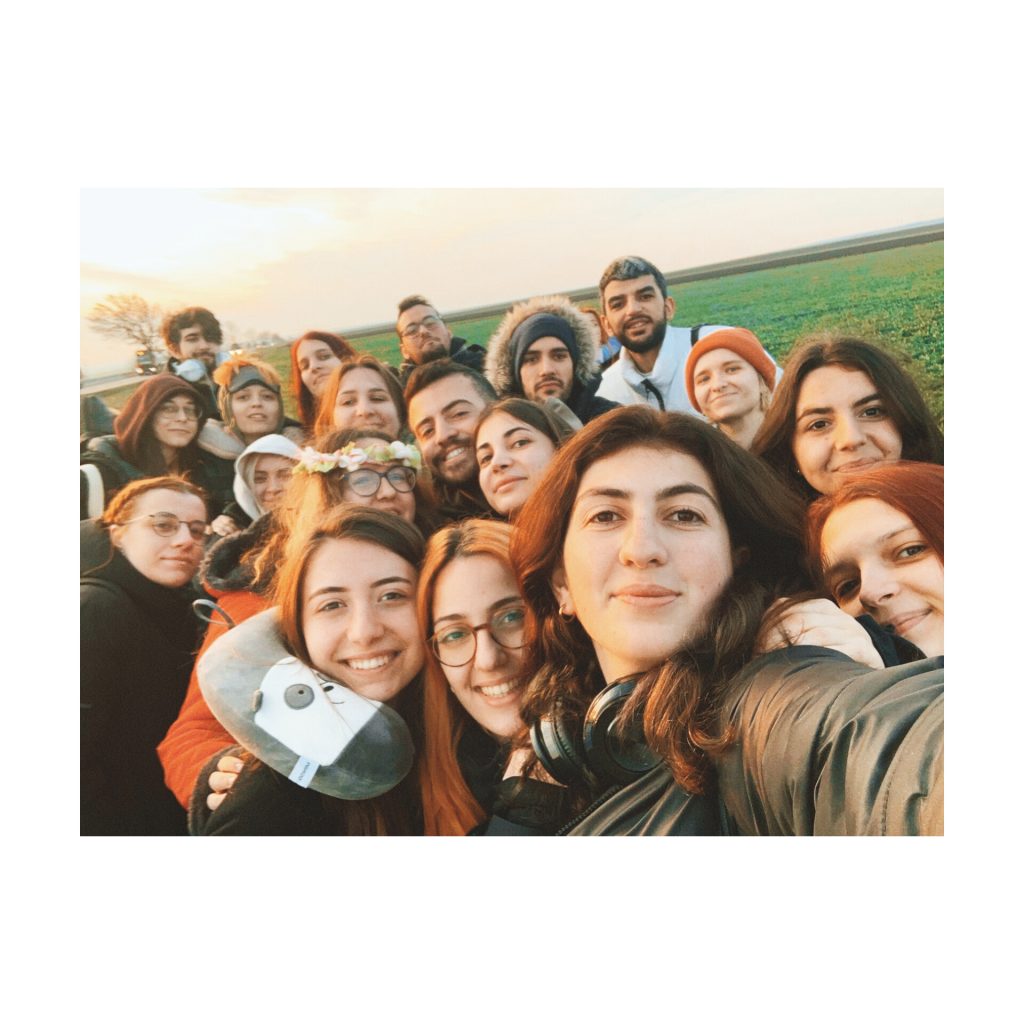
As for the organization of the project itself, it was at a high level. It was incredibly interesting to be present at each of the sessions and participate in them. Various cool activities and team building were simply gorgeous. The coffee breaks were not bad, but the food would have been better, some days we were all hungry, but I liked that the organizers took care that I eat plant-based food and there was always at least something to eat, even if it was tasteless.
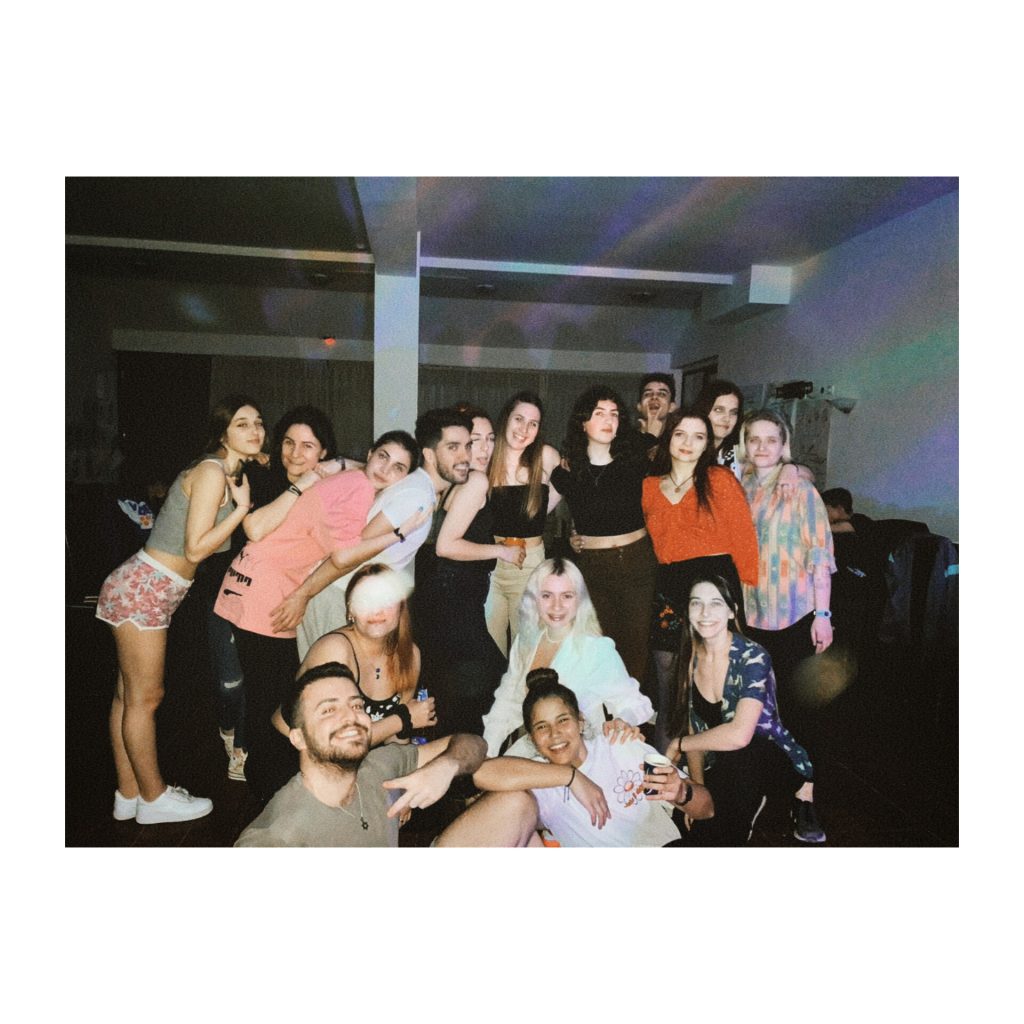
In general, I received an incredible experience, cool impressions and I am incredibly grateful for such an opportunity. If I had not gone, I would have regretted it for the rest of my life, probably. Thank you.
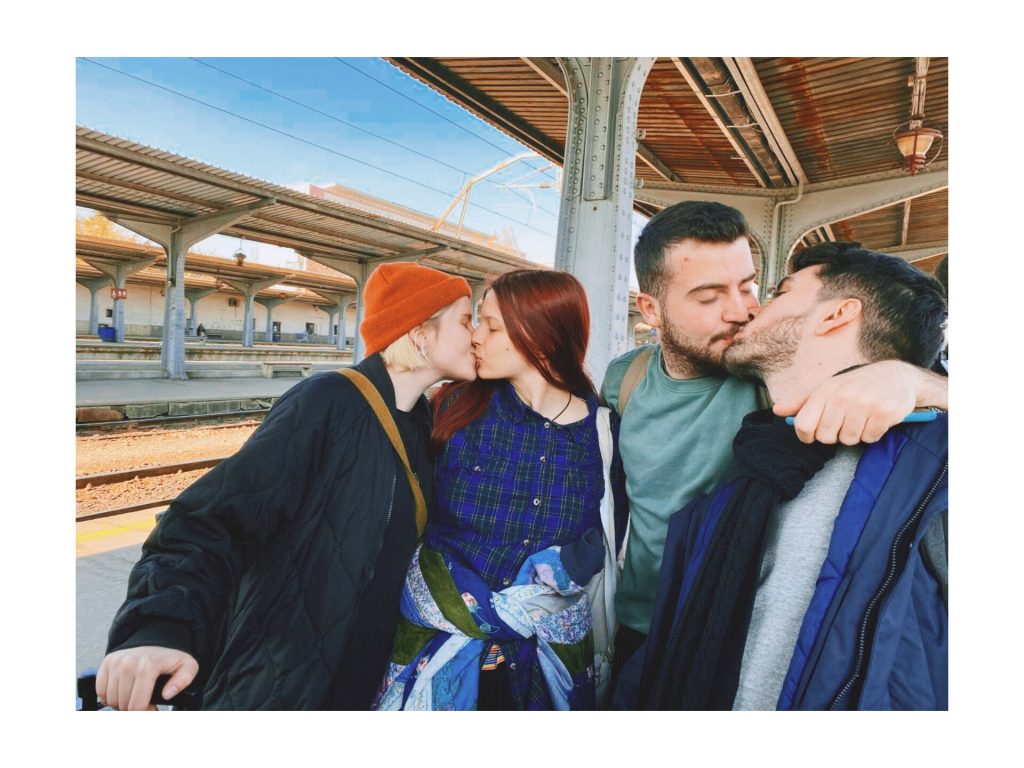
Olha:
The experience of youth exchanges is not new for me, because it’s my fifth time visiting Slaniс-Moldova to participate in the Erasmus+ program. I was motivated by the desire to get more knowledge and learn tools to fight discrimination against the LGBTQIA+ community and gender stereotypes in our country.
As always, this experience was priceless, as we not only discussed the problems in our country, but also learned about the situation in other countries. In general, it helped me to become more aware of the problems and challenges of the LGBTQIA+ community, to get a concept of gender issues and stereotypes of other cultures.
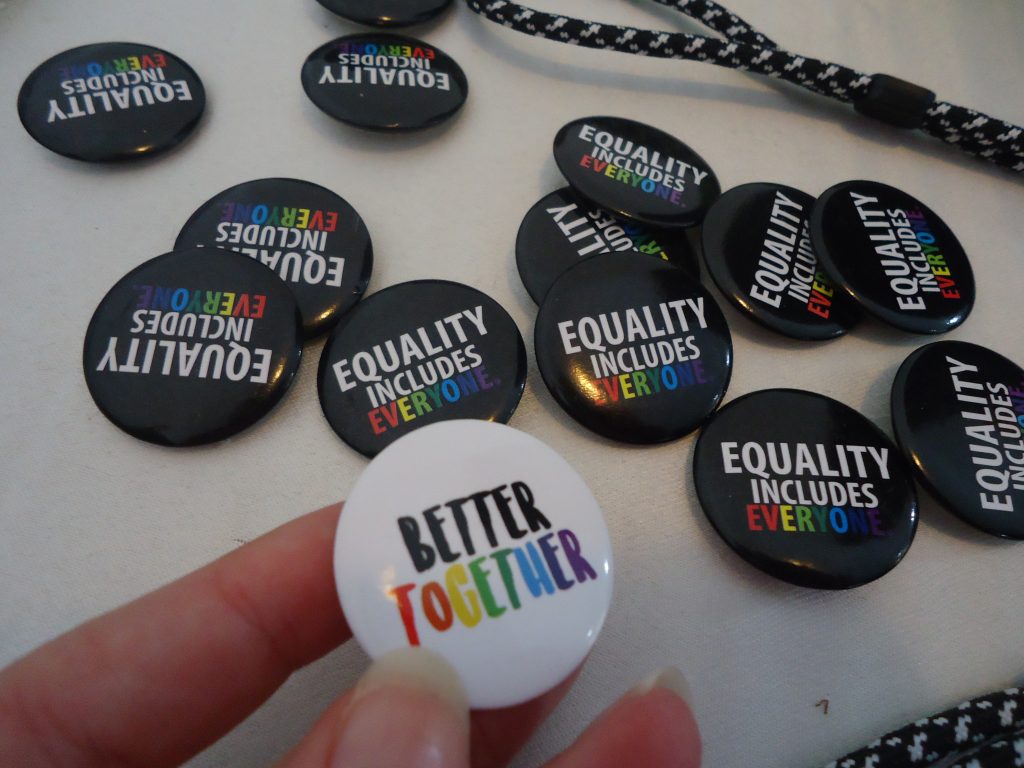
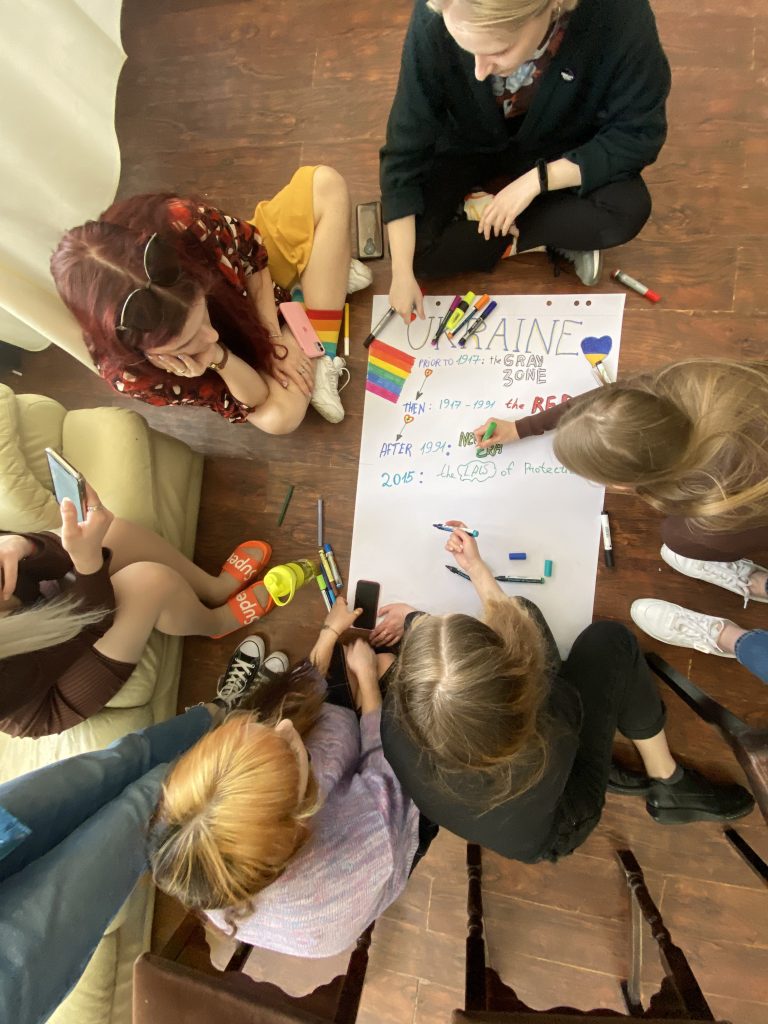
I find the project activities that encouraged us to create art with a certain message to be particularly useful and interesting. As we painted about thirty pictures, shot two lipdubs, and besides, every day we had the opportunity to create something cool together in our teams. Writing an article was also a very useful activity, because in order to disseminate information, you need to properly structure the text, be able to format it.
The result of the project for me personally is an increase in my confidence in my views, motivation to promote tolerance and openness in solving problems, awareness of topics that seemed vague and confusing to me before the project.
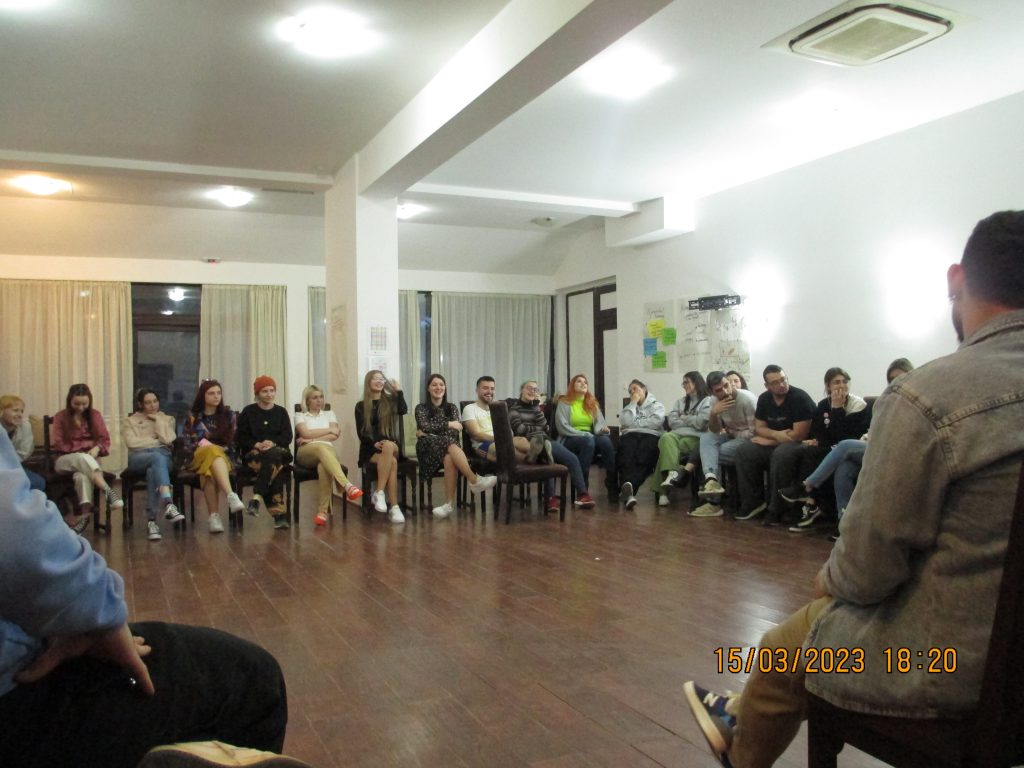
Among the skills and abilities we developed, most are really useful. I consider youth exchanges a chance for personal development, leaving the comfort zone. Travelling, meeting new people, celebrating cultural diversity, positive emotions and memories – all of that was really worth experiencing, although in the end, you still miss your country and really want to come back.
Iryna:
Erasmus+ was my first international youth exchange project. I felt a bit awkward and nervous going there. In fact, I’ve never found it difficult to quickly get along with people, but I still had a fear of foreigners. But after the first few minutes with these fantastic people, I felt incredibly relieved and calm. This project became a comfortable place for me, where I could finally be myself without fear of being judged by others.
I have always been interested in the problems of the LGBTQIA+ community, gender equality and tolerance, so the project topic really interested me. I gained a lot of motivation, skills and learned the tools I need to fight homophobia and negative statements against the LGBTQIA+ community. Therefore, after the project, I will encourage young people to fight for human rights, solidarity and tolerance.
The youth exchange helped me find like-minded people from all over the world. In the future, if I have another opportunity to take part in such a project, I will definitely accept it.
Katya M.:
For two weeks I participated in the project «Pandamnit !-LGBTQIA+,Gender and minorities during the Covid-19 pandemic », and I was very satisfied with it. It was my first experience, and participation in the project was unforgettable!
Throughout the project, we reviewed and discussed many relevant and useful topics, and every day we worked in teams where everyone was involved and interested in the tasks. I remember the most creative tasks, where we painted pictures, created brochures and made lip dubs.
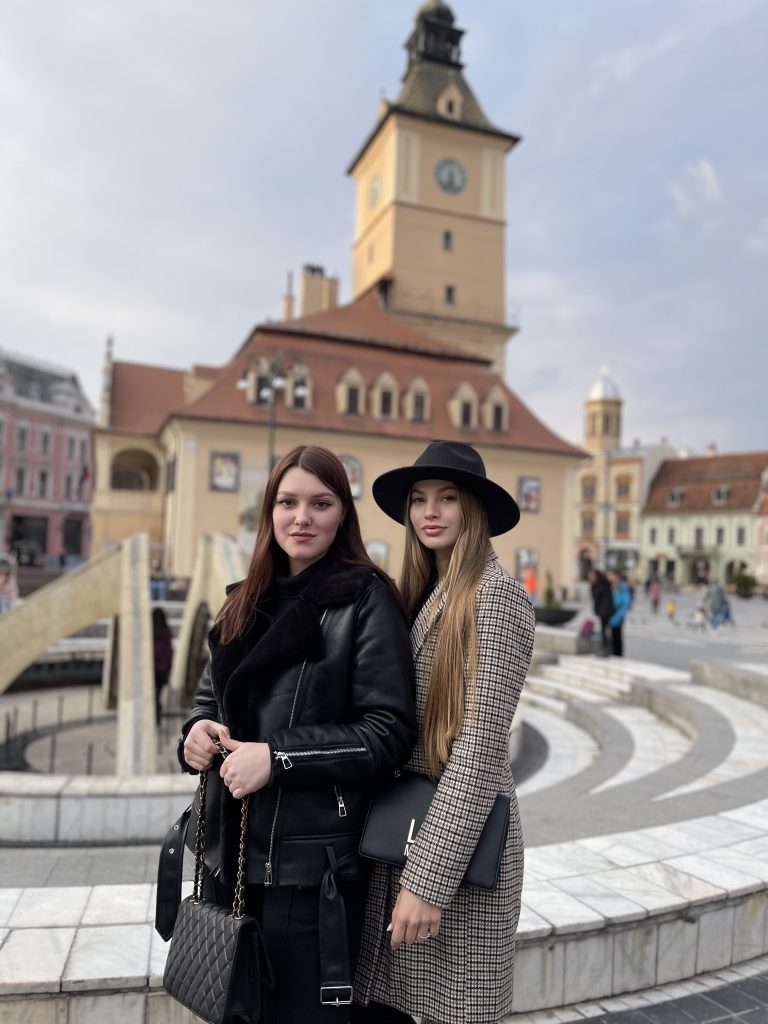
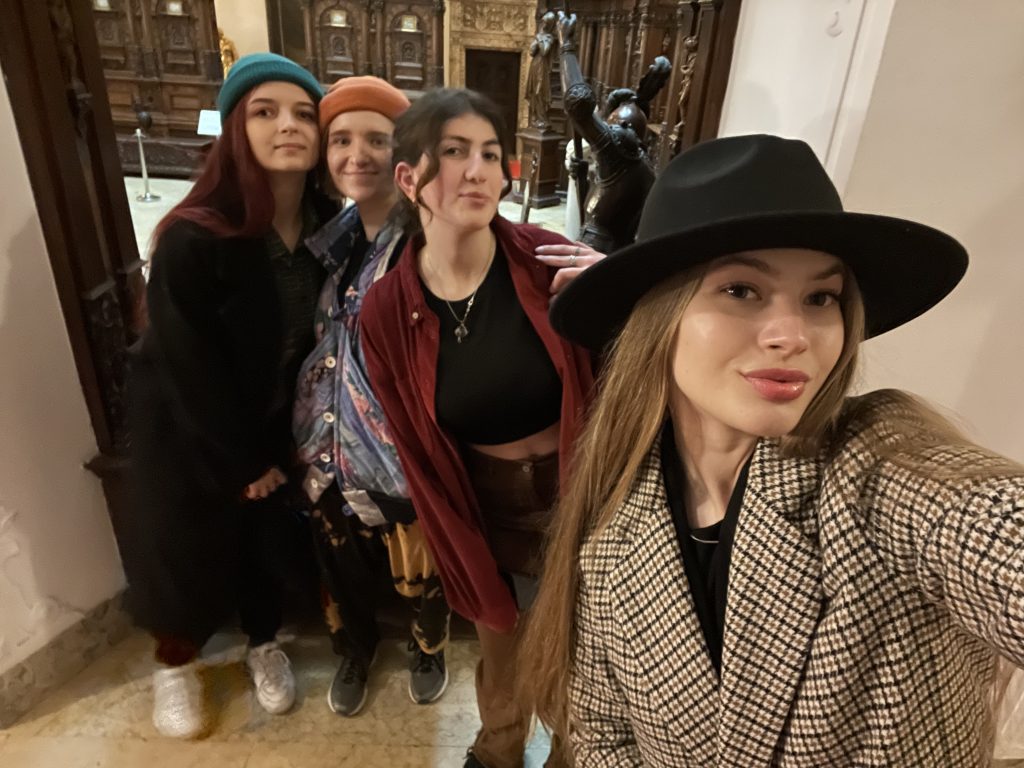
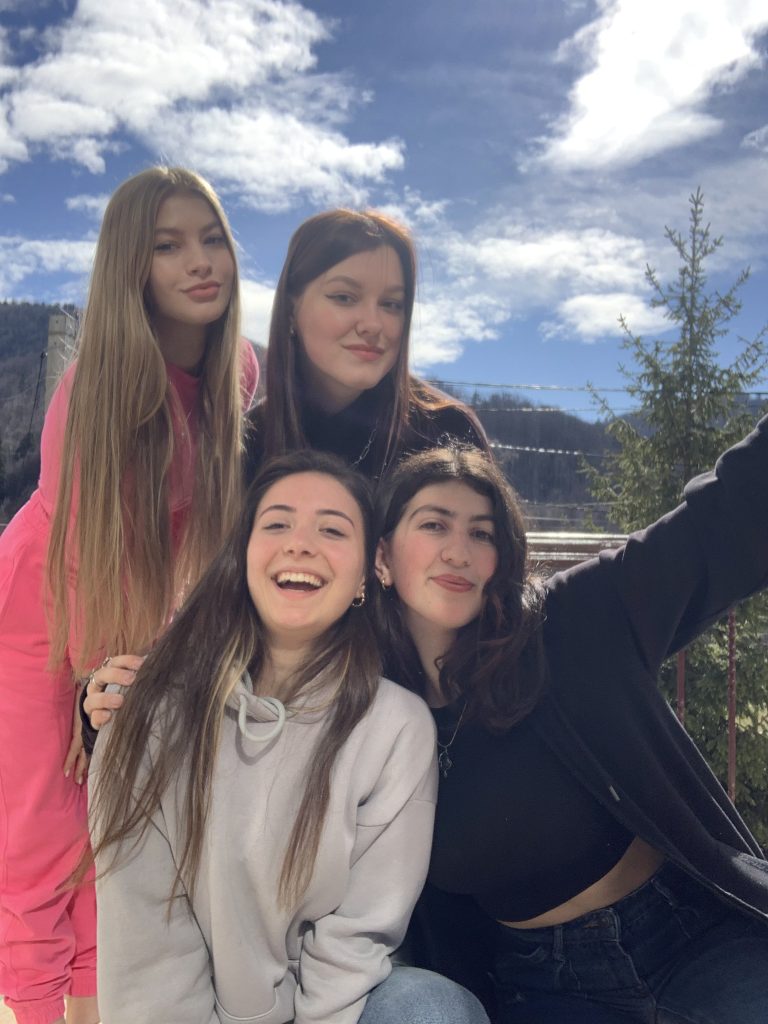
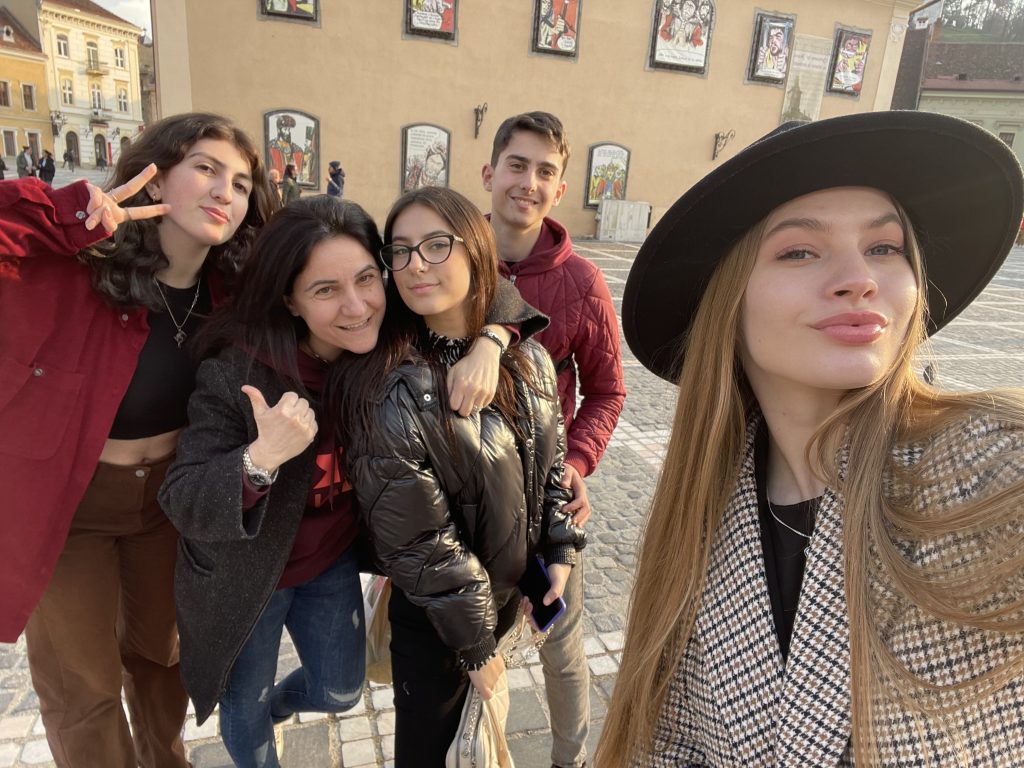
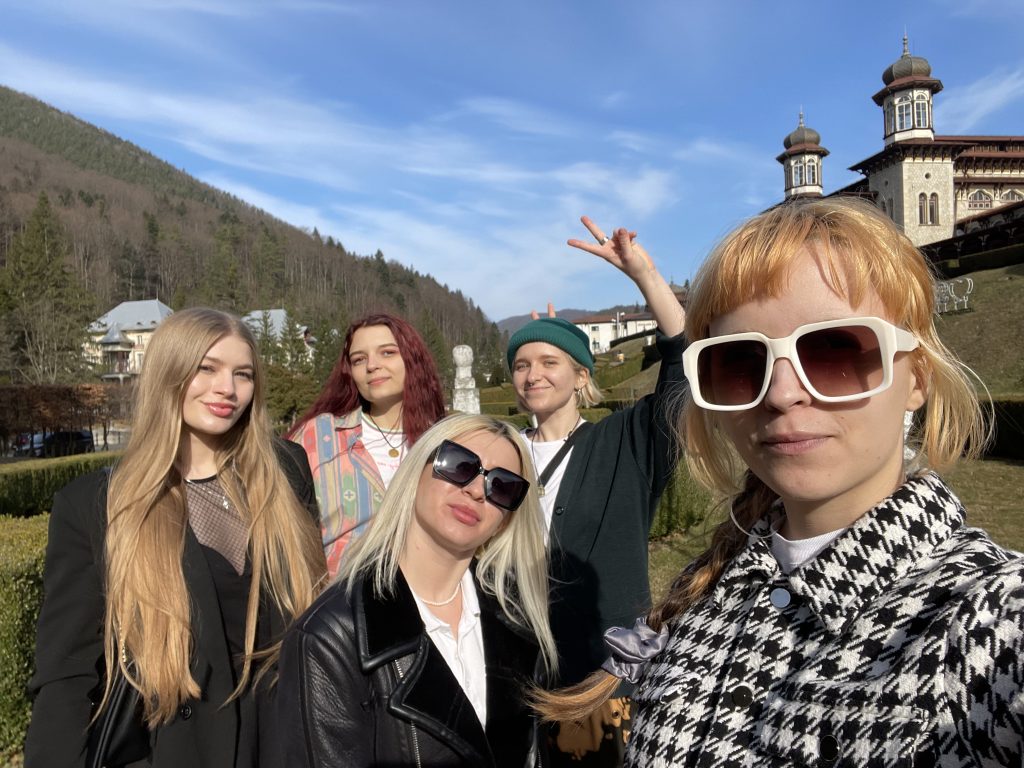
Every day was more and more intense and better, because the main topic of the project was very interesting. When I went to the project, I was worried about the people who would be with me on the project, but despite my worries, I am delighted with the people I met there. We all became friends easily and it had a positive impact on the result of our work, especially our Ukrainian team, where everyone helped and supported each other. The intercultural evenings and the trip to Peles Castle and Brasov were also unforgettable, as I received a lot of positive emotions and inspiration. I am very grateful to the organizers and all the participants of the project for these best two weeks. This project changed my outlook and I gained invaluable knowledge, experience and friends.
Viktoria:
My Erasmus+ trip was an unforgettable experience. I visited a country that was completely new to me and met students and teachers from different countries of the world. I got a great opportunity to deepen my knowledge in my chosen field, and also gained practical experience in working with international colleagues.
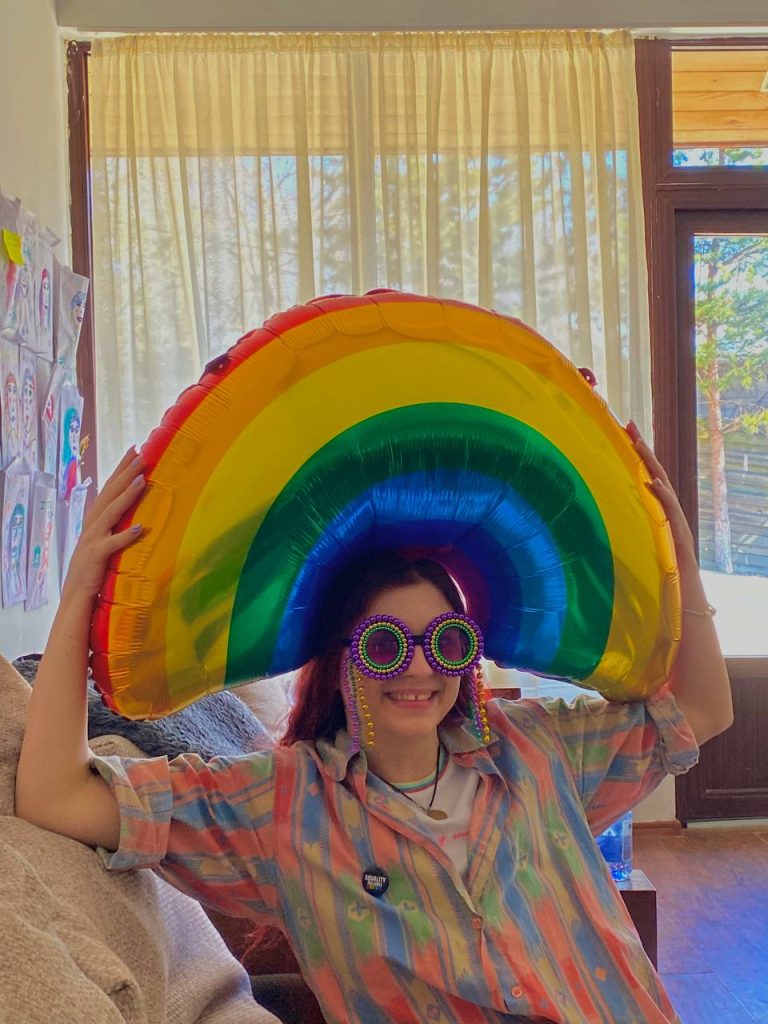
As part of my stay in the Erasmus+ program, I was able to gain much more than just academic experience. I had the opportunity to explore new cultures, try national cuisine, visit places of historical importance and enjoy local sights and natural beauty. All this helped me expand my worldview and deepen my knowledge about different cultures.
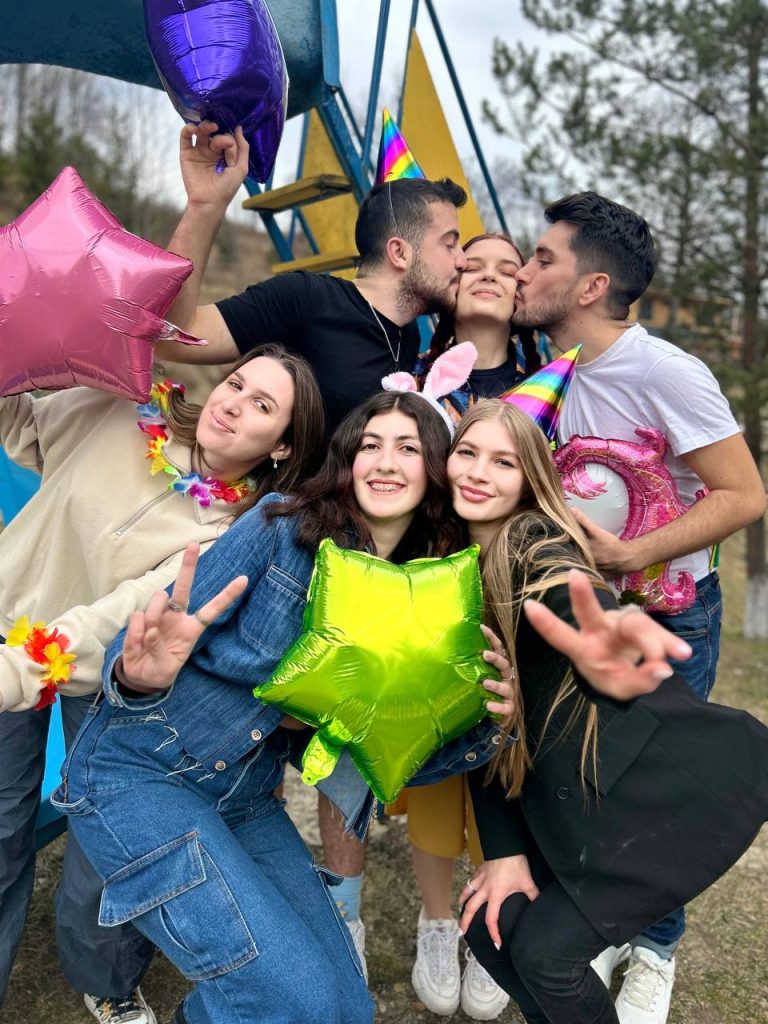
Outside of studies, the Erasmus+ program also provides many opportunities for social life and interaction with local students and residents. I had the opportunity to meet and interact with students from different countries at various events and activities, which helped me build new friendships and deepen intercultural relationships.
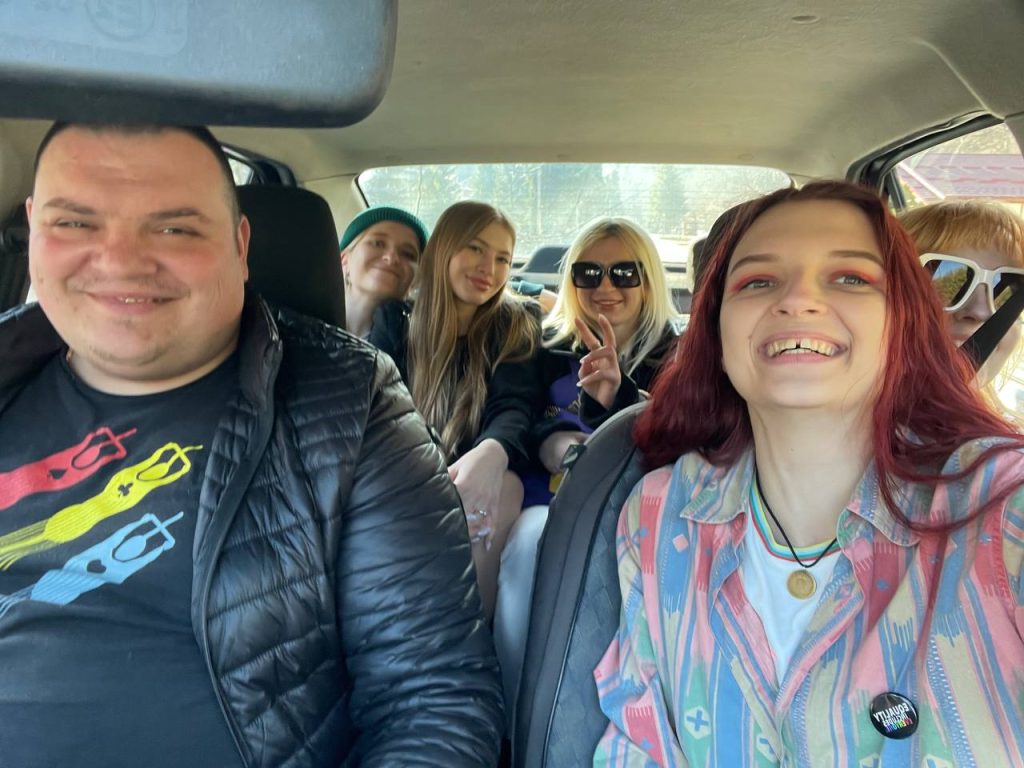
In addition, my participation in the Erasmus+ program has had a positive impact on my future career opportunities. During my stay abroad, I got the opportunity to increase my skills and knowledge in my chosen field, which can increase my attractiveness in the job
market. In addition, the Erasmus+ program gives me the opportunity to increase international connections and establish contacts with colleagues from different countries, which can be useful for my future career.
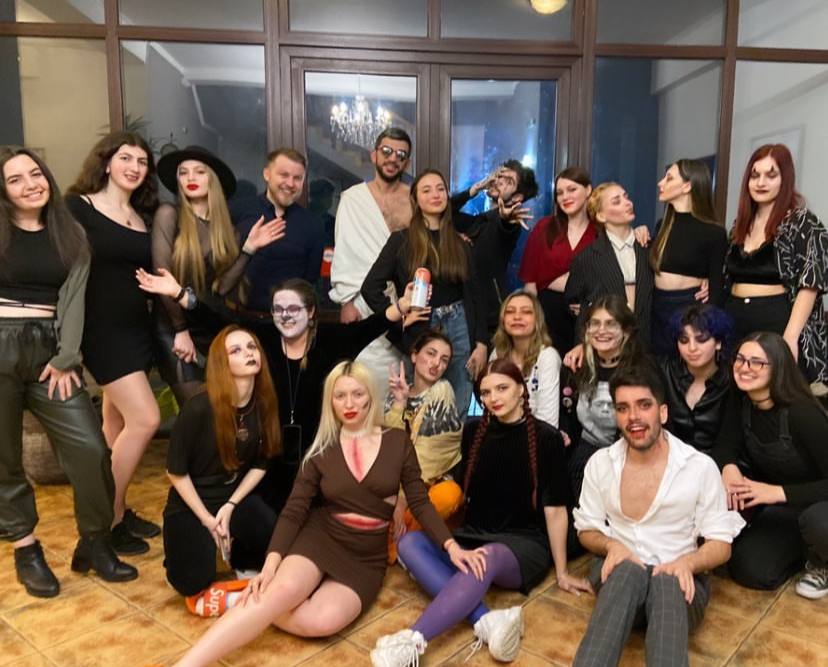
Overall, my participation in the Erasmus+ program was very useful and memorable. I got the opportunity to increase my knowledge and skills, deepen my outlook and establish new connections, which will be useful for my future career and personal development.
It was the best opportunity for me to see the world and meet new people. I thank you for this opportunity and recommend all students to take part in this program and learn about the world, build new friendships and increase their career potential.
Kateryna B.:
I’ve been on several Erasmus+ youth exchanges, and I’ve even been a group leader before. But the experience I gained during this particular exchange in Romania is incomparable.
I’ll start the story from the very beginning, when I thought that if I was not a representative of the LGBTQIA+ community, I should not go to the exchange called “PANdamnit! – LGBTQIA+, gender and minorities during the COVID-19 pandemic”. This opinion was wrong, because I realized that you don’t have to be a representative of the community to defend its rights. It’s more about recognizing the uniqueness of each person. In fact, if everyone thought like I do now, there would be no need for people to unite in a community to fight for the opportunity to simply enter into a same-sex marriage with a partner, or to defend their rights to other things that are available to the majority. Interestingly, we learned from the team from Spain that same-sex marriage has been legal in their country since 2005.
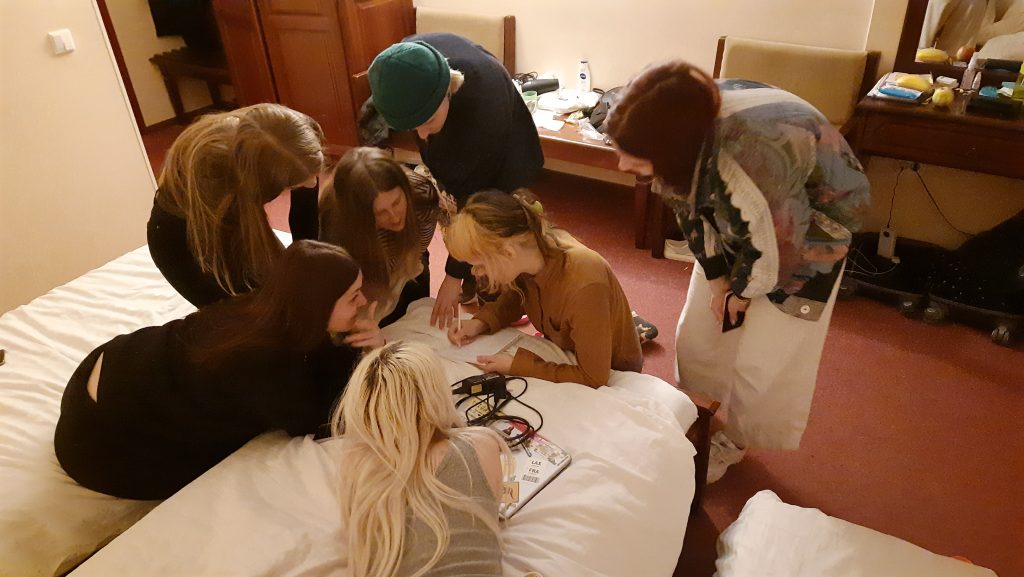
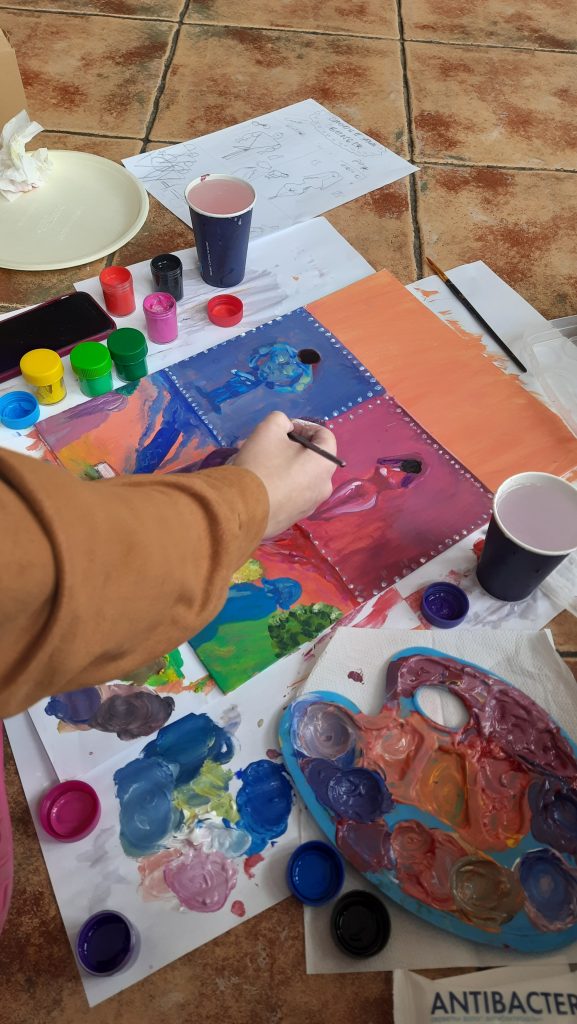
The organization of the youth exchange was at a high level thanks to the team from Romania. The accommodation was as comfortable as possible. They were happy to help us solve everyday issues. The sessions were well planned, thoughtful and informative. Many forms of work were new to me: filming a lip-dub, writing and illustrating stories. Most of them opened up our creative sides.
The most impressive thing for me was to hear the story of a gay boy from Armenia during the “living library”. It was hard for me to imagine what he faced every day on his way to self-acceptance. But after hearing his story, I felt even better how much people from the community need acceptance and support. Later, I used his story for an exercise where I had to take on the role of a character with a similar story. This exercise also had a great impact on me.
The only significant disadvantage was the food. Even the organizers didn’t like the restaurant’s food, but unfortunately, neither we nor they could influence it. However, during the cultural evenings, you could taste dishes (and not only dishes) from other countries. I liked the dishes prepared by the team from Greece the most.
Along with the dishes, we could try to dance dances from different countries and teach people how to dance our dances. For the future: if a Romanian says that he almost broke his leg dancing his Romanian dances before, then a Ukrainian can have the same fate. After all, I was so desperate to repeat the moves that I twisted my leg, and it still hurts (although almost three weeks have passed).
Another interesting and unusual thing was the “bear alert”. This is like the Ukrainian SES alert about the threat of shelling, but informs that a bear has been spotted in the area, so you should not leave your homes.
During the exchange, we lived in the city of Slănic Moldova, and we had a whole day to see Peles Castle and take a walk in Brasov. It is a pity that we didn’t have enough time to see Count Dracula’s castle, but it means that we will have a reason to return to those cozy places. Did you know that on the mountain near Brasov there is an inscription “BRASOV” in the manner of “HOLLYWOOD”?
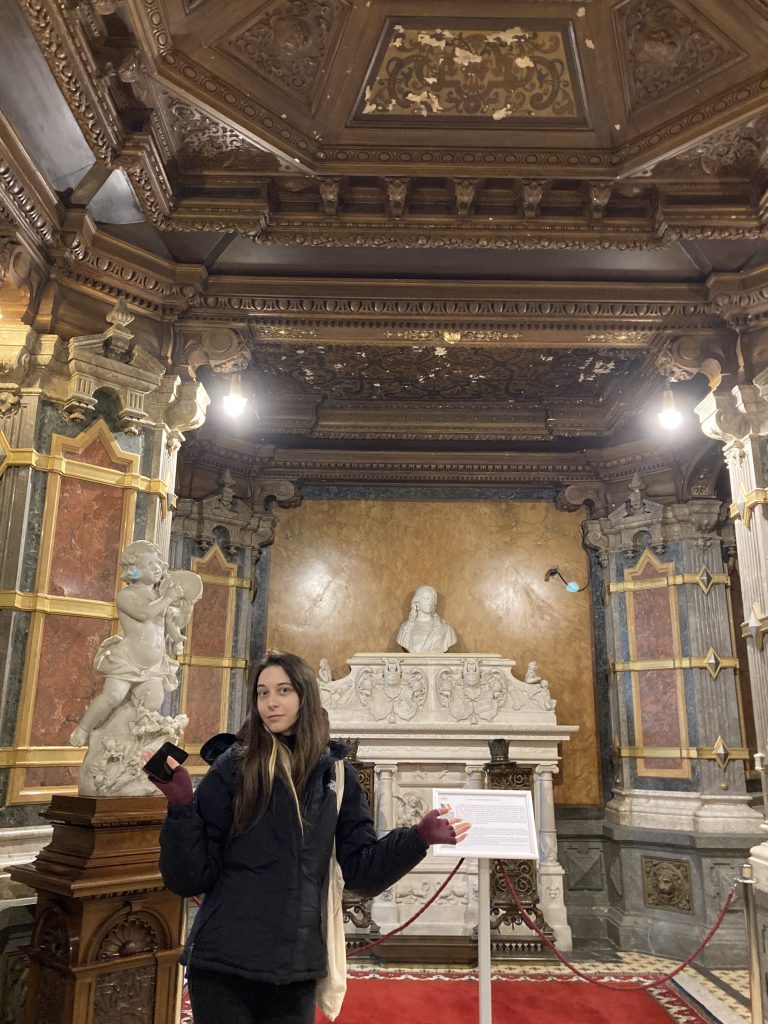
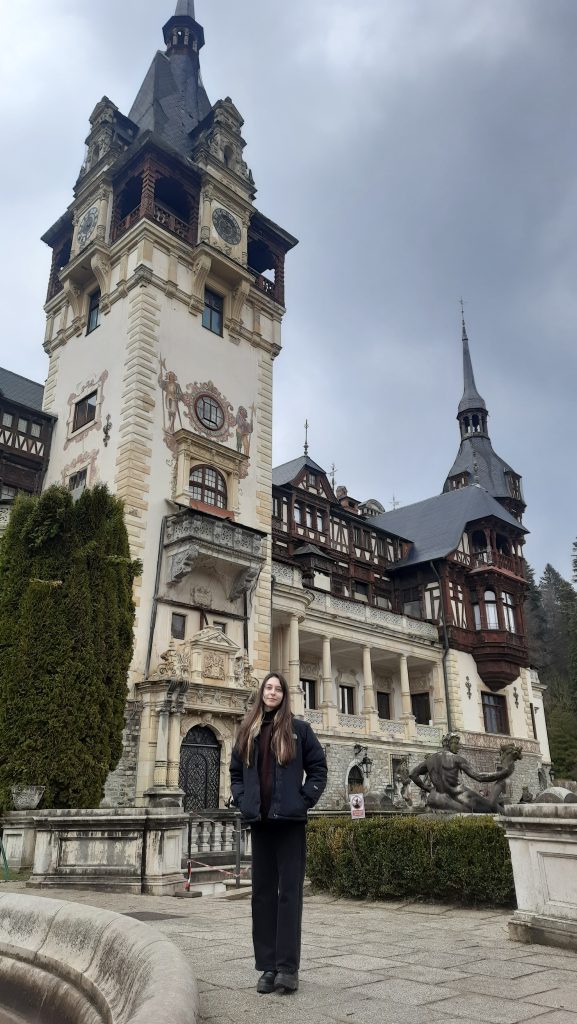
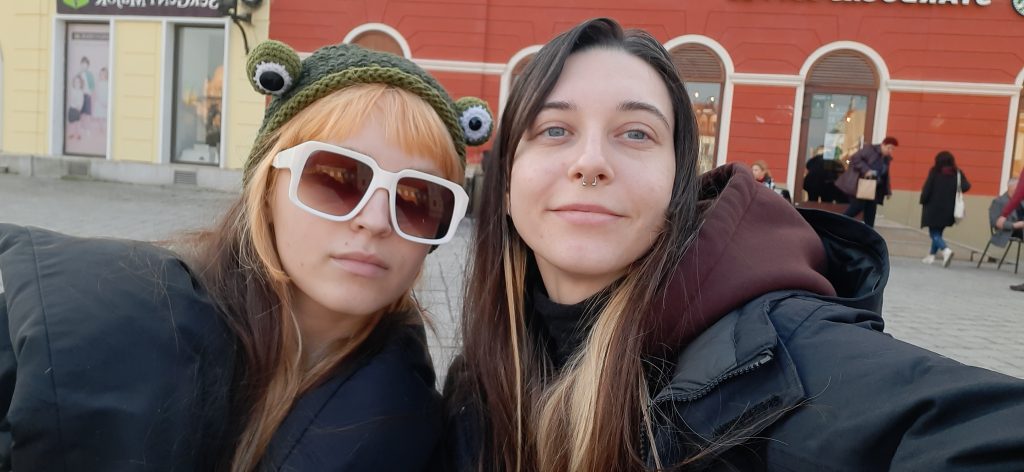
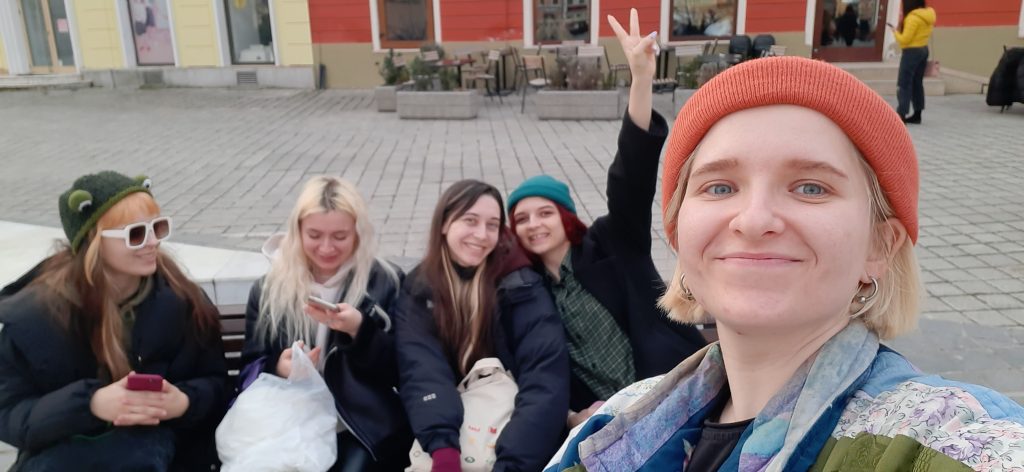
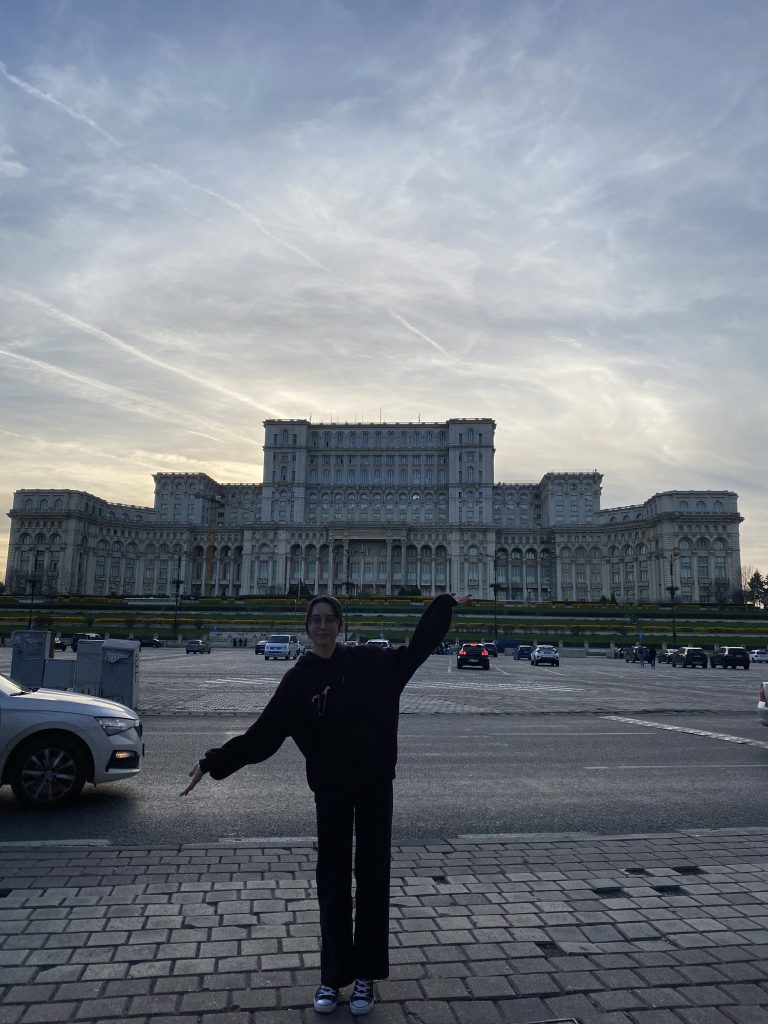
We also had a free day before we left, which we spent in Bucharest. After that, the city left us with mixed feelings. The city center is beautiful, but there is nothing to see outside the center (or we just didn’t find anything). Of course, when you are in Bucharest, you can’t miss the Palace of Parliament. The palace is considered one of the world’s largest civilian administrative buildings, the largest parliamentary building, and the heaviest administrative building in the world.
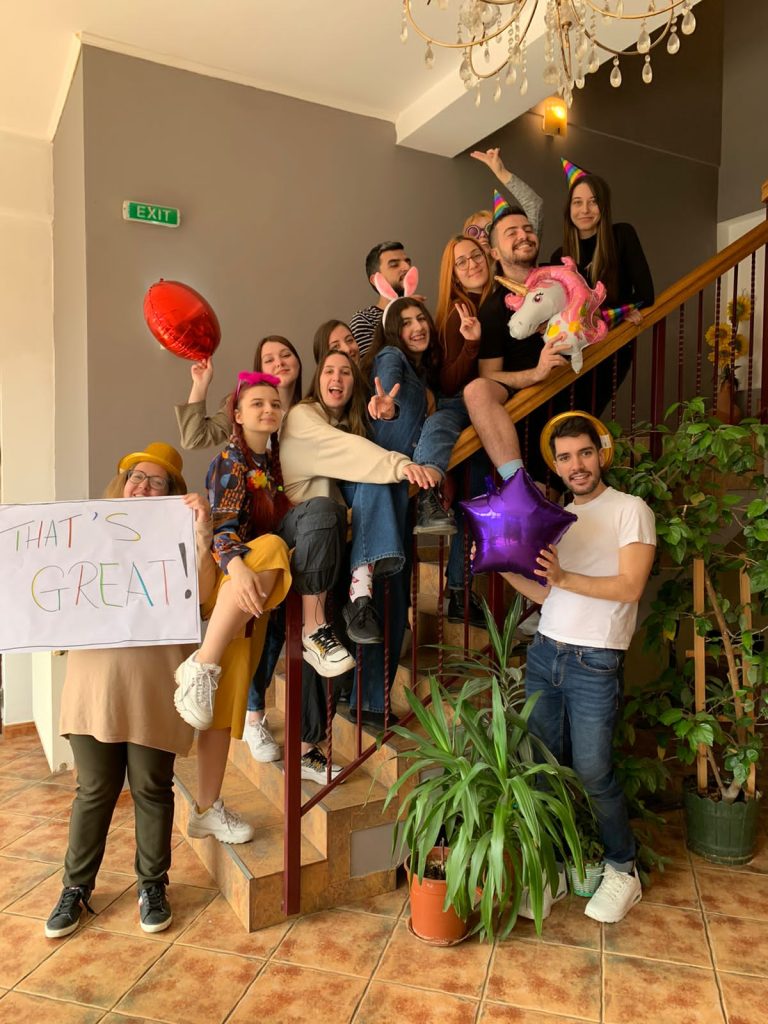
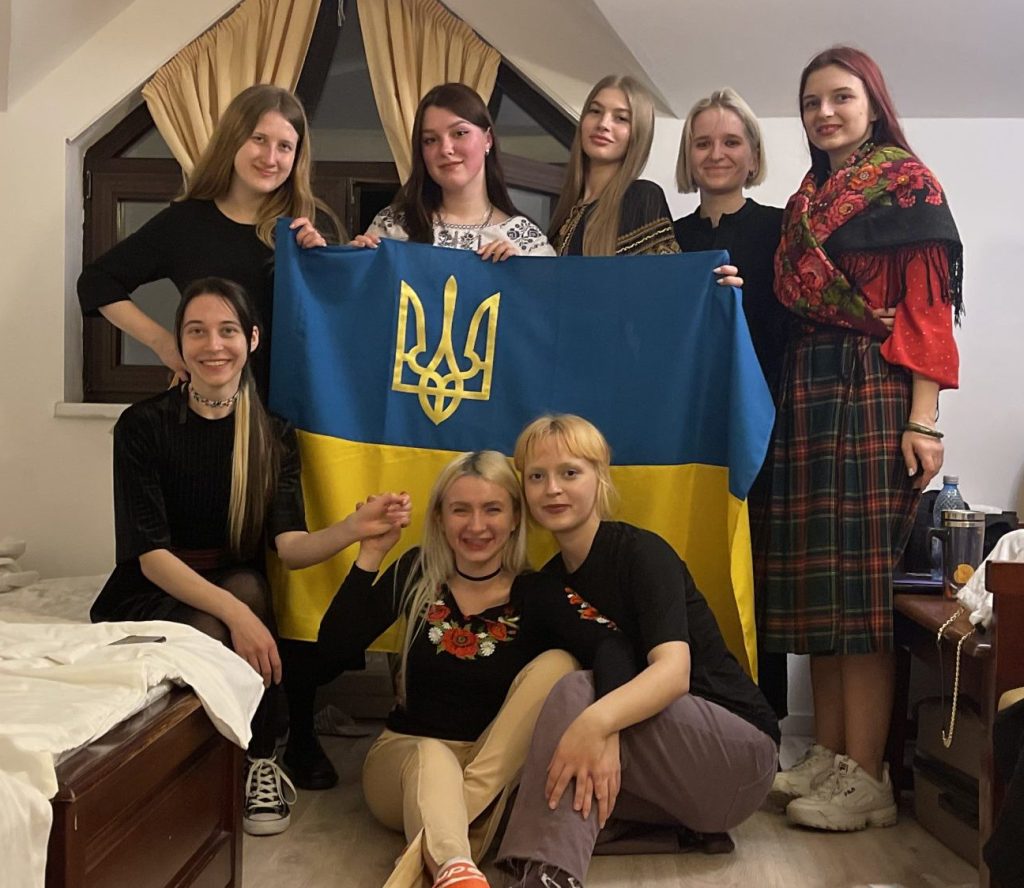
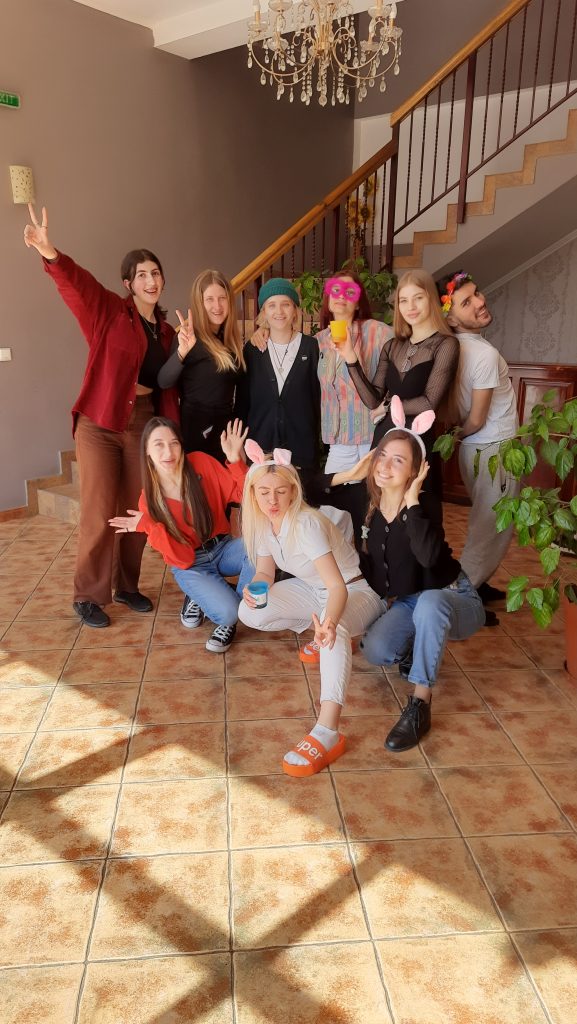
All in all, this exchange would not have been as intense and fun if it were not for our Ukrainian team. I’m proud of us because we worked smoothly and productively during the sessions, and we had just as much fun outside of the sessions, talking to representatives of other countries, talking about life in Ukraine, learning about life in other countries. In general, we shared a lot of experiences.
Special thanks to the organizers for the opportunity to talk about the war in Ukraine. It is extremely important, especially now that the news in other countries is not as active in covering the events. Some of the participants from countries that are geographically farther away (Malta, Spain) had heard about the war, but thought it was already over because the media did not talk about it.
In conclusion, I would like to say that youth exchanges are a small life that is worth living at least once in your big life. And once you go on a successful exchange, you will want to do it again and again.